
1. Decide what the sample should answer
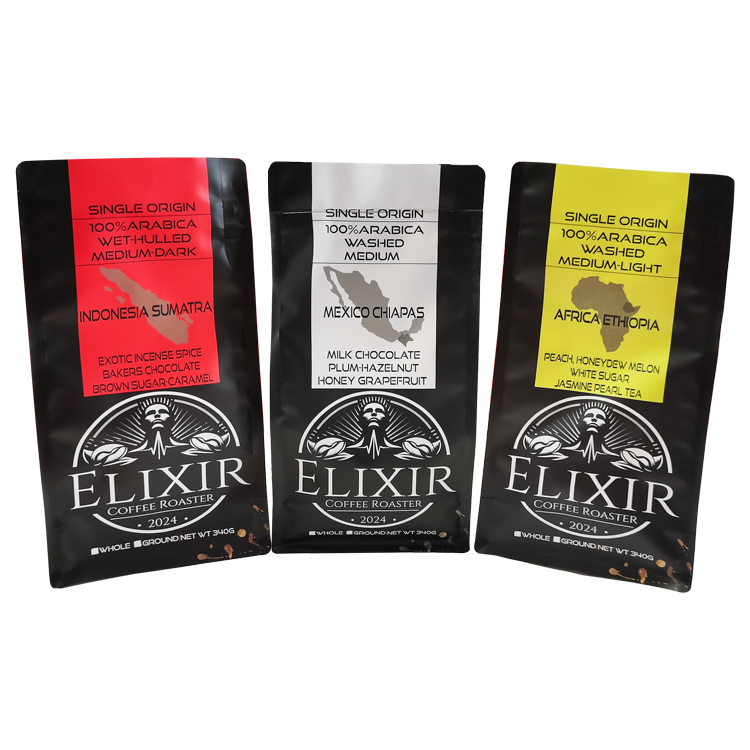
Separate a material reference from a size sample and a fully specified custom sample. A similar-material bag can help you handle the film or compare a finish. It may have a different size, valve, closure or artwork from the bag you intend to order. Write down those differences before treating it as an approval sample.
Choose the coffee you actually expect to pack, including whether it is whole bean or ground and the intended net weight. If you sell several roasts or weights, review the combinations that could change the space needed. Supplier capacity labels are references, not a replacement for your trial fill.
- Ask us for the sample’s material and dimensions, and keep its reference with your notes.
- Identify which features match the proposed order and which are only references.
- List the questions you want the trial to answer.
2. Fill and seal using your planned process
Use the scale and filling method you plan to use in normal packing. Note the coffee weight and the way the beans or grounds settle. Inspect the opening and gussets, the standing shape where relevant, and the space between the coffee level, valve, zipper and final seal area.
Set the sealing temperature, pressure and time for the sample film and your equipment. Keep a note of the settings. Check the seal for coffee particles, wrinkles or misalignment, and send us photos if you see a problem. Tell us if your order needs measured seal-strength or barrier tests.
- Try the intended fill and closing sequence, including initial heat sealing.
- Inspect the top seal and the valve/closure clearance.
- Keep a filled sample and photographs labeled with the settings and coffee used.
3. Keep a short, repeatable review record
Use the same checklist for each candidate. A clear record helps distinguish a size adjustment from a material, artwork or equipment issue. Where a requirement needs laboratory testing, agree the method and acceptance criteria separately.
| Review | Record | Discuss if needed |
|---|---|---|
| Fill and headspace | Coffee type, roast, target weight and actual trial fill | Opening access, seal clearance or bag dimensions |
| Filled presentation | Front, back, side and standing photographs | Gusset shape, panel proportions or fill level |
| Closing sequence | Sealer settings and initial seal/first-open/reclose steps | Seal contamination, zipper access or tear behavior |
| Artwork and finish | Panel placement, surface feel and a physical color reference | Text on folds, scuff appearance or proof requirements |
| Handling and cartons | Packing arrangement and normal route handling | Carton fit, bag movement or extra packing needs |
4. Review opening, handling and delivery preparation
Open and reclose the bag in the intended way if those features are present. Check whether the opening lets the user pour the coffee comfortably and whether loose coffee interferes with the closure. The initial top seal and a reusable zipper perform different jobs; review both stages.
Place filled samples in the cartons or mailers you plan to use. Check the fit, movement and normal handling. If your customer or shipping route requires a formal transit test, tell us the required method before approving the order.
5. Turn observations into a clear approval
Summarize the material, size, features and artwork version you want to proceed with. List changes as specific observations: for example, more top-seal clearance, a revised valve position or text moved away from a fold. Confirm which changes need another sample or proof before production.
A short fill trial does not establish coffee shelf life. Agree any barrier, storage or shelf-life validation needed for your product separately. Retain the approved specification and sample reference so future orders can be compared with the same baseline.
Common questions
Can a 12 oz bag be selected from its stated capacity alone?
Use the stated capacity as a starting point. Bean and roast differences, fillable space and the closing arrangement can affect fit. Trial-fill your own coffee before fixing the dimensions.
Can I start with a similar-material sample?
Yes. It can help you review the material and finish. Record any difference in size or features, then agree whether a custom sample is needed before approving your order.
Does a successful sample fill prove shelf life?
A fill trial shows whether the bag fits and handles your coffee under the conditions you tested. To set shelf life, you also need to check the coffee and package under the intended storage conditions.
Put the guide into practice
Further Reading
For more background on the topics in this guide, see the resources above.
Need help with your coffee bag project?
Tell us the coffee weight, quantity and look you want. We can help you choose the bag, design the artwork for free and prepare the layered files after approval. Similar-material samples are free; custom sample fees are refunded when you place an order. Ask us about sample shipping.