
Initial seal
The seal used after filling. Its position and sealing conditions must match the selected structure and packing process.
Custom empty coffee bags · openings, windows & free design
We help you choose easy-opening features and viewing areas for custom coffee bags. Tell us how you want customers to open the bag and what you want them to see. We will help you select the material and arrange the features around your artwork.
Start with whole beans or ground coffee, your target fill and the experience you want. A logo, an existing bag or a simple design idea is enough to begin.
Free design. Unlimited revisions. Free layered production files after design approval.
Four different roles
A coffee bag has several jobs to perform. The initial seal closes the filled bag, the opening feature provides first access, a viewing window displays the contents through the package, and a reclosure helps the customer close the bag between uses.
Selecting one feature does not specify the others. Agree the complete arrangement with the bag format, material and intended use.
The seal used after filling. Its position and sealing conditions must match the selected structure and packing process.
The agreed way to gain access to the coffee. Review where opening begins, how the material behaves and the guidance printed on the bag.
A transparent area that lets the customer see the contents while the bag stays closed. It remains part of the package structure.
The selected way to close the bag after first opening. A zipper or other arrangement needs its own layout and sample review.
Four roles around a coffee bag opening and window
Two symbolic sealed bag views identify an initial seal, a first-opening feature, a reclosure and a viewing window. The viewing area is covered by transparent packaging material, not an open hole.
First access to the coffee
Describe the opening experience you want rather than choosing a feature from its name alone. A small notch, a pull-tab arrangement and a reclosure have different roles; the selected material and bag construction affect how they work together.
| Feature or area | Role in the package | What to confirm |
|---|---|---|
| Tear notch | Provides a starting point for tearing the agreed opening area. | Notch position, the intended path and opening behavior on the actual material. |
| Pull-tab arrangement | A first-opening arrangement used on our pull-tab flat bottom coffee bag. | The proposed construction, grip and instructions on your own sample. |
| Initial heat-seal area | Closes the filled bag before the customer first opens it. | Seal clearance, material compatibility and the opening area relative to the seal. |
| Reclosure | Helps the customer close the bag between uses. | Access after first opening and whether the closure stays usable with the coffee inside. |
We can help you choose an opening feature for your film and bag construction. Try a filled sample to check the tear path, access and reclosure before approving the artwork.
Visibility and product protection
A viewing window lets customers see the coffee through a transparent area of the package. Visibility, oxygen and moisture barrier, and light protection are separate considerations; the look of a window does not establish the performance of the finished bag.
Tell us what the window should show and where the bag will be displayed or stored. An opaque foil or metallized area does not become transparent simply by leaving it unprinted. A window request needs a feasible transparent area within the agreed structure.
| Display direction | What it emphasizes | Project checks |
|---|---|---|
| Opaque presentation | Printed branding and an enclosed product view. | Required product protection, graphics and opening layout. |
| Defined viewing window | A selected view of the coffee alongside printed information. | Window structure, filled-bag visibility, light exposure and clearance from seals. |
| Larger transparent area | A broader product view where the proposed structure is suitable. | Material performance, distribution conditions and the remaining space for labels and codes. |
A clear area can still be part of a multilayer structure. Confirm its materials and relevant package performance rather than judging it from transparency alone.
One coordinated layout
Place the opening feature and any viewing area on the actual project drawing before approving the artwork. Their positions need to work with the fill, folds, seals, reclosure and any valve.
Review the filled bag as well as the flat drawing. The coffee level and bag shape can change the view through a window and how the customer holds or pours from the opening.
Keep the intended opening area coordinated with the initial seal and selected reclosure. Agree the clearance on the project drawing.
Match the viewing area with the feasible film structure and converting layout. Check its position relative to the side and bottom seals.
Review the target fill, coffee form and pouring experience. Keep beans or grounds from obscuring a required view or interfering with the closure.
Plan branding, coffee information, opening guidance, barcode and variable code areas around the features and folds.
Areas to coordinate around an opening and viewing window
A symbolic bag identifies the initial seal, opening feature, reclosure, proposed viewing area, artwork and code area, and side and bottom seals. Positions are conceptual and no dimensions are specified.
Review the actual filled bag
An empty bag and a flat drawing are useful starting points. A sample filled with your coffee helps you review first access, handling, visibility and the selected reclosure together.
Similar-material samples are free. Custom sample fees can be refunded when you place the order; confirm the custom sample scope, charges and shipping arrangements for your project.
Share whole beans or ground coffee, target weight, filling method, sales channel and intended opening or window requirements.
Check the material, dimensions, seal areas, opening feature, reclosure and any viewing area against the drawing.
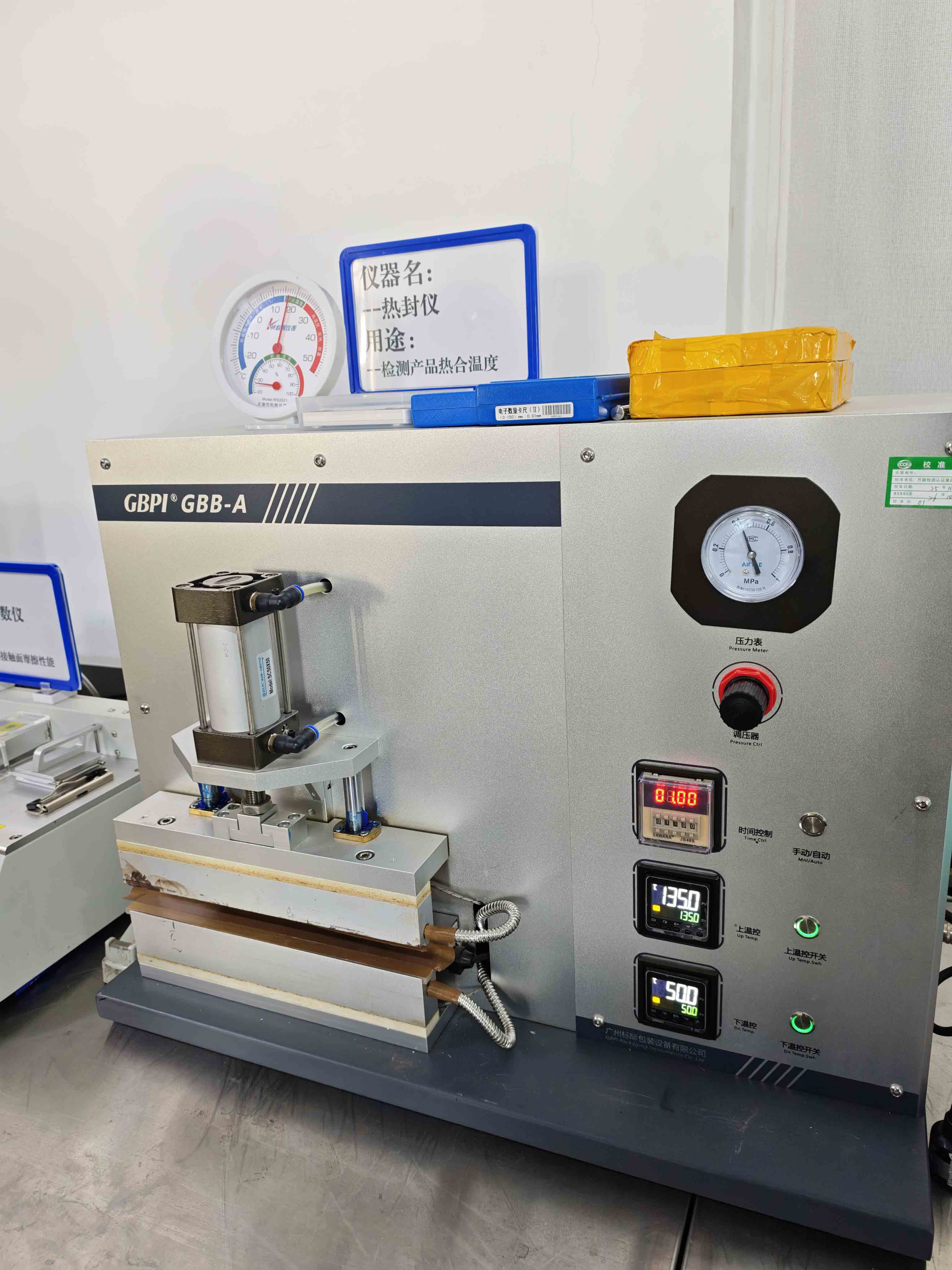
Use the intended coffee and packing conditions. Review filling clearance and confirm appropriate sealing conditions for the structure.
Try the agreed opening, pouring and reclosure. Check the window with the bag filled, including its clarity and the view at the intended fill level.
Record layout or artwork changes. Agree any product-protection, distribution or shelf-life evaluation needed before confirming the specification.
Free design support
You do not need complete artwork to begin. Send a logo, a current package or the experience you want customers to have; we can develop the packaging design and revise it with you.
Free design includes unlimited revisions and free layered production files after you approve the design. The agreed opening arrangement, viewing area and required clearances are part of the layout review.
Tell us which parts of the coffee should be visible, how the bag should open and the brand information you need on the pack.
Work through the proposed viewing area, seal margins, opening guidance, reclosure and code positions on the project drawing.
Review the final graphics and agreed bag specification. Receive the layered production files after design approval.
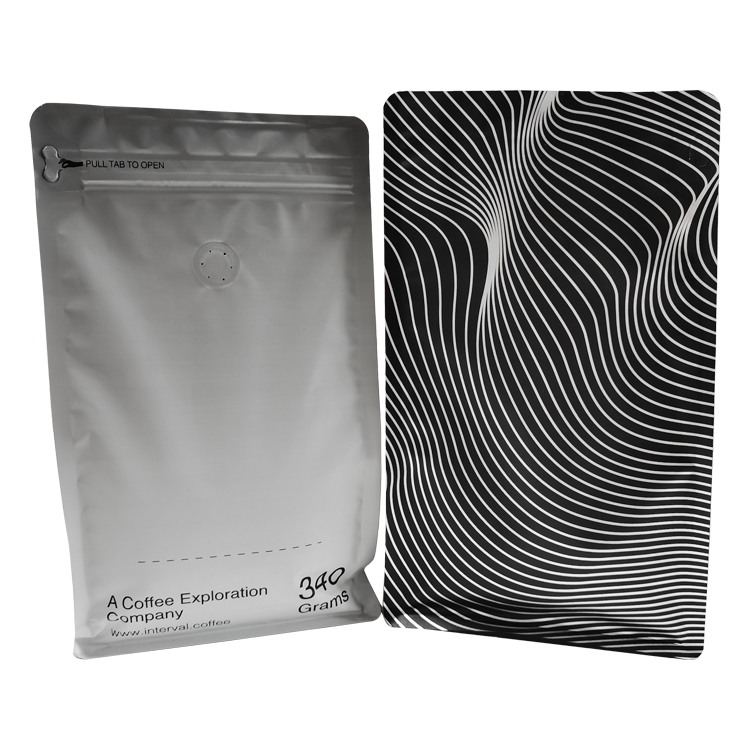
Real packaging references
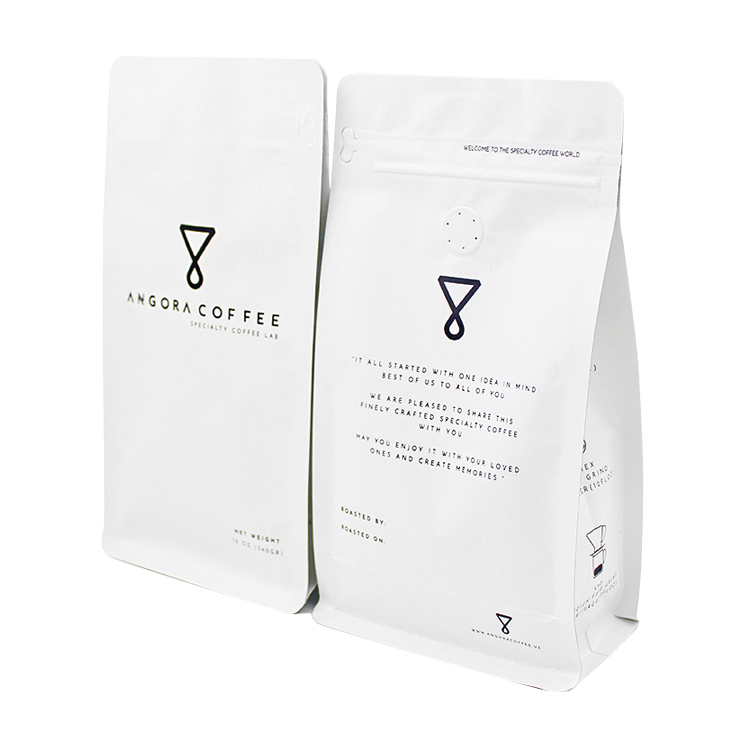
These bags show pull-tab access, pouch reclosure and an opaque foil laminate. Compare their opening layouts and artwork, then tell us which features you want for your coffee.
If you want a viewing window, we will help you choose a suitable transparent area and film structure. We can then check the shape and visibility with a filled sample.
We made this digitally printed 15 × 26 + 6 cm flat bottom bag for 12 oz coffee, with a pull-tab zipper and valve. The printed label guides the first opening.
View the Pull-Tab Coffee Bag ProjectWe digitally printed this 15 × 23 + 5 cm kraft-paper pouch for 250 g coffee and added a valve and zipper. It shows a pouch layout with reclosure between servings.
View the Stand Up Coffee Pouch ProjectAn opaque material and presentation reference. A transparent window would need a suitable structure rather than an unprinted area over opaque foil.
View the Opaque Coffee Bag Project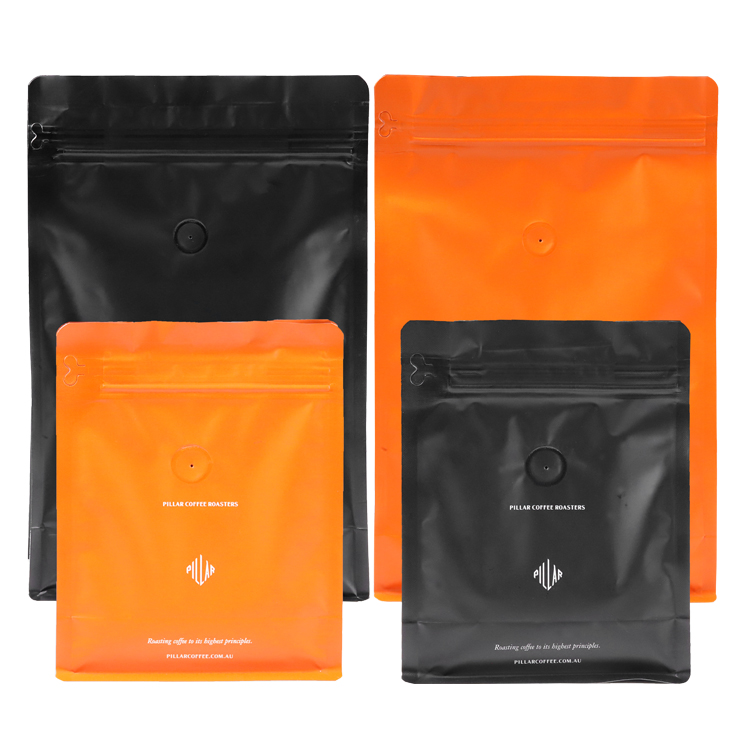
Questions before choosing the features
Bring the questions that affect your actual bag, coffee and customer experience. We can review the feature request with the material, artwork and sample plan.
A tear notch provides a starting point for the first opening. Its position and the behavior of the selected material need to work with the initial seal and intended opening path. It does not seal or reclose the bag.
A tear notch starts a tear from the bag edge. A pull-tab opens access to a closure, as shown on our flat bottom bag above. We can show you samples to compare the two actions.
The first opening gives access to the coffee after the initial seal. A zipper is a reclosure feature used between servings. Review both so that opening the bag leaves the selected reclosure accessible and usable.
That depends on the agreed opening feature, material and bag construction. Describe the experience you want and review it with a filled sample. Printed opening guidance should match the confirmed arrangement.
Its position depends on the bag format, initial seal, selected reclosure, fill and material. Confirm the position and required clearances on the project drawing; there is no single placement rule for every coffee bag.
The request should be reviewed with the ground coffee and intended fill. Fine particles, handling and pouring can affect the user experience and the closure area, so include them in the filled-sample review.
A viewing window displays the contents through transparent packaging material while the bag stays closed. It is part of the finished structure, with its own material and layout requirements.
Compare the proposed complete structures and use conditions. Transparency does not establish oxygen or moisture barrier, and light protection also needs consideration. Relevant performance and product evaluation are needed for your packaging requirements.
Leaving an opaque foil area unprinted does not make it transparent. A viewing window needs a feasible transparent area in the proposed material structure. Review that structure and sample before approving the artwork.
Start with what you want the customer to see, the intended fill level and the bag format. Then review light exposure, seal clearance and space for branding and codes. Confirm the shape and dimensions on your own drawing and filled sample.
A window shows the appearance of the coffee under the viewing conditions. Appearance alone does not establish freshness, flavor or shelf life. Use your product information and the appropriate coffee and package evaluation to support those claims.
Tell us the window shape and material option you want. We will explain the compatible films and accessories, along with the disposal information for the complete construction.
No. A logo, reference bag or design idea is enough to start the discussion. Our free design service includes unlimited revisions and free layered production files after you approve the design.
Share the coffee form, target weight, bag format, filling method, opening preference, window idea, material direction, quantity and delivery destination you already know. Similar-material samples are free; confirm custom sample charges and shipping arrangements, with custom sample fees refundable when you place the order.
Start with your coffee and your idea
Send the details you have, even if the opening, material or design is not yet decided. We can review the feature request with your coffee, filling process and packaging goals.
We make custom empty flat bottom coffee bags, stand up pouches and side gusset bags. The proposed configuration, artwork, samples and delivery arrangements are confirmed for your project.
Free design. Unlimited revisions. Free layered production files after design approval.
Similar-material samples are free. Custom sample fees are refunded when you place an order. Ask us about the sample and shipping arrangements.
Production is usually 7–12 days and shipping usually 7–10 days. Confirm the schedule for the approved project and destination.
Tax-included door-to-door delivery is available. Confirm the route, scope and delivery cost in your quote.
Relevant food-packaging and supplier certification documents can be provided privately on request. Ask for the information needed for your proposed structure and market.
We pack whole-bean coffee in 12 oz bags and are considering a tear opening and a small viewing window. Please help us review the material, feature layout and samples. We have a logo but need free design support.
Our quote form asks for Name, Email, optional Country and Message. Use the message to describe your coffee, opening and window idea, or the design help you need.