
Digitally Printed Matte Bag with a Valve
We made this 500 g whole-bean bag with digital printing, matte MATOPP/VMPET/PE film and a degassing valve. It measures 10 × 34 + 6 cm.
View the Matte Side Gusset Bag ProjectCUSTOM COFFEE PACKAGING
Custom printed bags with expanding side panels.
We make custom printed side gusset bags for whole beans and ground coffee. Tell us the weight you pack and how you fill your bags. We will help you choose the dimensions, film, valve and opening, then prepare your artwork.
Free design. Unlimited revisions. Free layered production files.
You do not need finished artwork to begin. We help develop your design and prepare layered files for print production after you approve it.
For whole beans or ground coffee. Confirm the filled shape and sealing setup with samples.
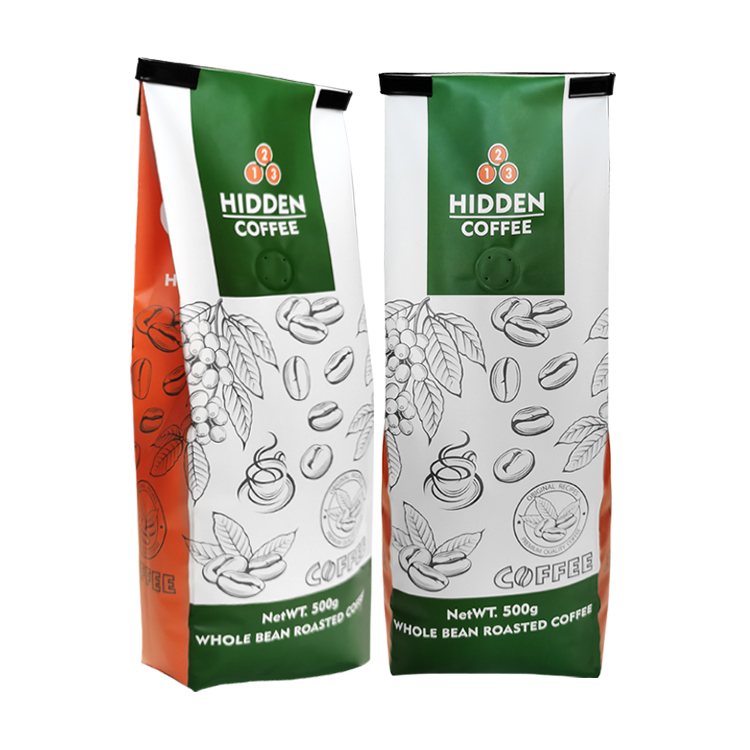
A side gusset coffee bag has folds along its sides that open as the bag is filled. These expanding panels affect the filled depth, the way the bag sits and how the artwork appears around the folds.
The side folds expand as you fill the bag. We will show you the gussets, back seam, bottom seal and filling opening on a drawing and sample for your chosen construction.
Review the side folds with your coffee inside. Check the filled depth and how the bag sits on your intended display surface. If standing after partial use matters, include that condition in your sample review.
We position the seam and bottom seal for the selected construction. Our designers leave these areas clear of essential wording and account for them in the panel layout.
Confirm which opening will be used for filling and which seal is completed after filling. Review usable access and sealing clearance with your packing method, rather than treating the outside dimensions as the available space inside.
| Format | Structure to compare | What to review |
|---|---|---|
| Side gusset coffee bag | Expanding side panels with the selected seam and bottom-seal construction | Filled depth, side folds, filling access and sealing arrangement |
| Stand-up coffee pouch | Front and back panels with an expanding bottom gusset | Filled base, panel shape and usable space around the opening |
| Flat bottom coffee bag | A formed flat base with side gussets and defined panels | Base shape, panel layout and fit with filling and sealing |
We can quote different bag formats with the same coffee fill, film, printing and accessories, so you can compare the options for your order.
Tell us the coffee weight and whether you pack whole beans or ground coffee. We will help you choose dimensions, then supply suitable samples so you can check the fill and sealing space with your product.
Share the coffee type, target net weight and how you fill the bag. Tell us whether you pack by hand or with equipment, how the bag will be displayed and whether you have an existing bag to use as a reference.
Confirm the width, height and side-gusset measurement on a drawing. Make clear whether a gusset value describes the full expanded depth or a particular folded section. Outside dimensions include areas that may not be usable for coffee.
Check how the side panels expand, the filled depth, the coffee level and the bag’s position on your display surface. Review filling access and the handling you expect, including pouring and partial use where relevant.
Leave usable clearance for the agreed first heat seal and any opening or reclosure detail. Keep coffee out of the seal area, arrange the folds as required and trial the selected bag material with your actual sealer.
Share measurements in mm or inches and coffee weight in g, oz or lb. For reference, 1 kg is approximately 2.2 lb by weight; it does not describe a fixed bag volume.
Explore Coffee Bag SizesThese features serve different purposes. Confirm the filling opening, first seal, valve and customer opening experience as one arrangement, matched to the selected bag construction and coffee.
Agree the seal location and usable clearance before fixing the dimensions. Keep the sealing area clean and arrange the side folds for the selected construction. The material, folded areas and packing equipment should be reviewed through a physical sealing trial.
A one-way valve lets gas from roasted coffee escape while helping limit air entering through the valve. We position it clear of the folds, artwork and filling area. Your packing process should also control the air left inside the bag.
Tell us how customers should open, pour and close the bag after use. A tin tie holds a folded top in place; it is not the initial heat seal. A zipper or another reclosure detail needs confirmation with the exact construction. Share the feature you need so we can review a suitable arrangement.
Tell us how you fill and seal your bags, or send an existing pack for reference. Trial the film and folded sealing area on your equipment to set the temperature, pressure and sealing time.
Confirm the selected features and seal positions before final artwork approval.
We offer barrier-film and PE-based material options for side gusset bags. Tell us about your coffee, storage needs and sealing equipment, and we will help you select the film and compatible accessories.
| Material direction | What to discuss |
|---|---|
| Film-laminate options | The full layer structure, oxygen/moisture protection needs, light exposure, finish and sealing behaviour |
| PE-based material directions | Film and accessory choices, with recycling information for the market where you sell your coffee |
| Other material requirements | Tell us if you prefer a kraft-paper look or compostable materials. We will explain the combinations available for your size and features. |
The finished bags below use MATOPP/VMPET/PE, MDOPE/PE and PE/MDOPE structures. We can help you compare these materials and select the one that suits your coffee.
We select the film, valve and closure together. For recyclable options, ask us about the material details and collection programs in your market; for a kraft-paper bag, we will explain the film layers behind the paper.
Bring your brand idea, logo, product wording or an existing bag. You do not need a designer or finished artwork to start. We help develop the design around the agreed dimensions, panel layout, folds and production details.
We work with the information you have to develop your coffee bag artwork.
We work through revisions with you until you approve the design.
After you approve the design, we prepare layered files for print production, matched to the agreed bag dimensions, printing method and packaging details.
Plan the main branding and product information on the front and back, then review any design continuing onto the side gussets. Keep essential text clear of folds, seams, the valve and the selected opening. Check how the design reads on both the flat layout and the filled bag.
Discuss digital or gravure printing with the quantity, number of artwork versions, material and preferred finish. For several blends or roasts, confirm the wording and quantity for each design. A screen preview helps with layout; physical references are needed to review the material and appearance.
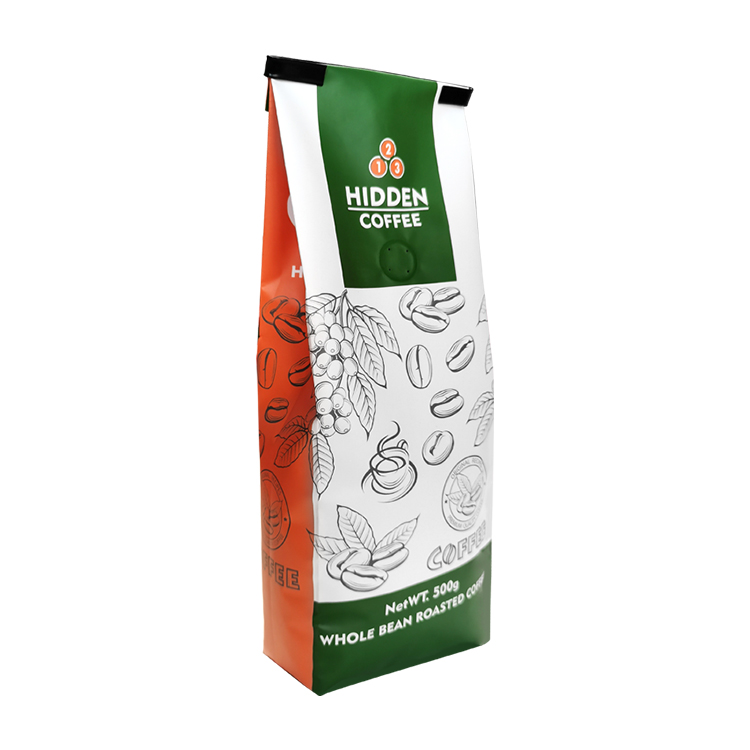
Start with an idea. Final specifications and finished artwork can be developed together.
These side gusset bags show different sizes and material combinations we have made. Use them to compare the shape, print and valve arrangement for your own bags.
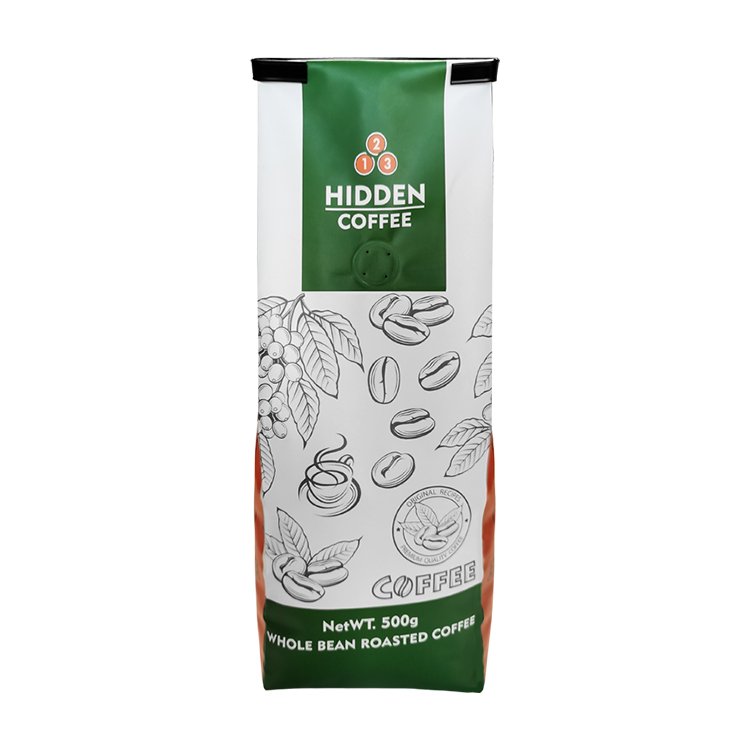
We made this 500 g whole-bean bag with digital printing, matte MATOPP/VMPET/PE film and a degassing valve. It measures 10 × 34 + 6 cm.
View the Matte Side Gusset Bag ProjectWe made this 1 kg bag with gravure printing, MDOPE/PE film and a PE valve. The 14 × 40 + 7.5 cm size offers a taller profile for a larger coffee fill.
View the MDOPE/PE Side Gusset ProjectWe made this side gusset bag with gravure printing and PE/MDOPE film. It measures 14 × 40 + 7.5 cm, giving you a material comparison in the same size as the MDOPE/PE example.
View the PE/MDOPE Side Gusset ProjectReview suitable material and bag references before deciding on your own packaging.
Custom sample fees are refunded when you place an order.
Tell us what you need to evaluate so we can confirm the sample scope and any shipping costs.
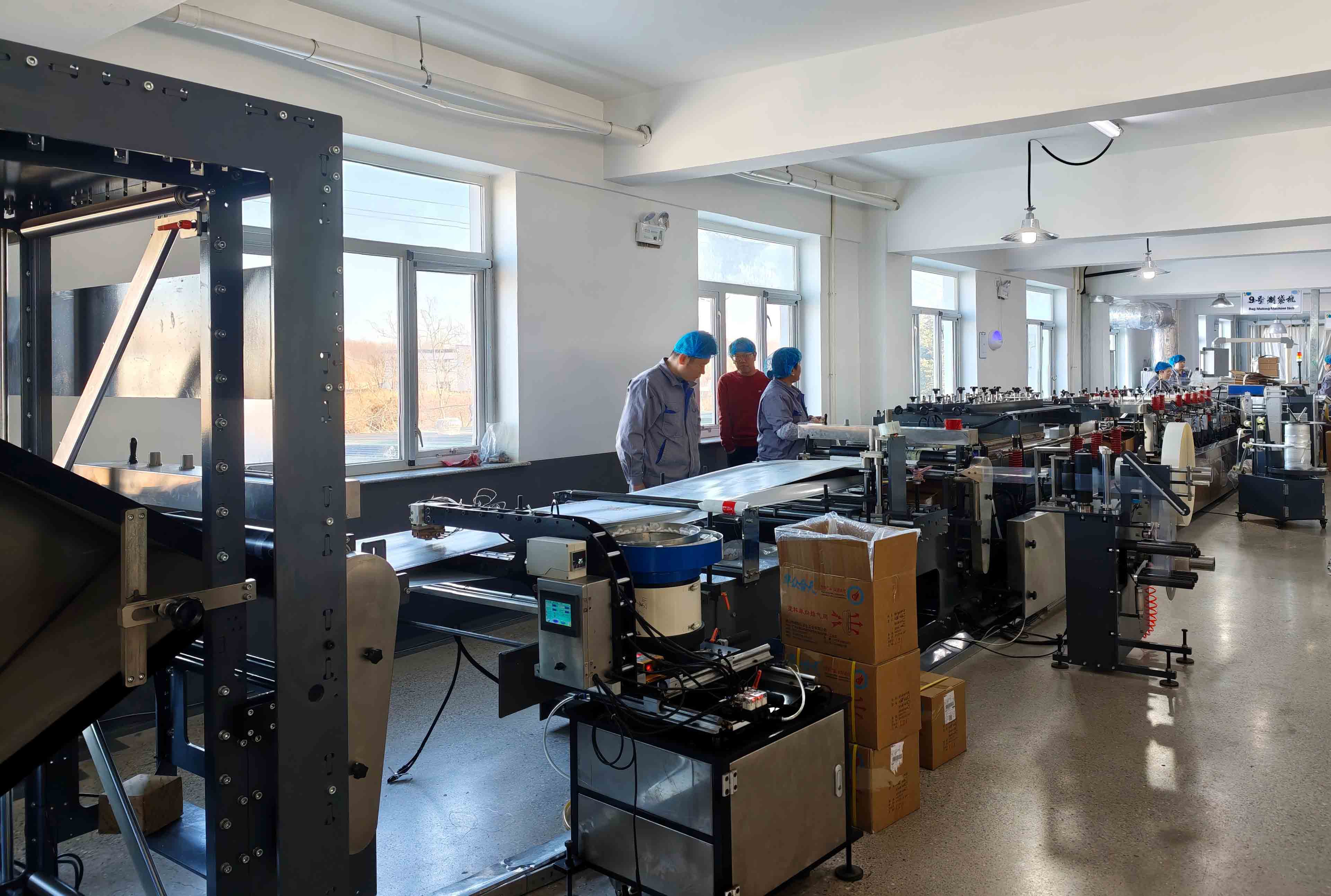
Relevant factory certifications and supporting food-contact documentation are available on request. Share your intended market and packaging needs, and our team can provide the applicable documents directly for your review.
Production: 7–12 days.
Shipping: 7–10 days.
Door-to-door delivery is available with taxes included. Share your destination and planned date so we can discuss the delivery arrangement and costs covered by your quotation.
See the Custom Packaging ProcessA side gusset bag expands along its sides. A stand-up pouch uses an expanding bottom gusset, while a flat bottom bag has a formed flat base with side panels. Check the actual construction and a filled sample, because the format name does not specify every seam or opening detail.
Start with your coffee type, net weight and packing method. Confirm the width, height and meaning of the gusset measurement, then trial your coffee in the bag. Include filling access and sealing clearance; the same weight does not occupy the same space in every coffee or bag.
That depends on the construction, material, remaining fill and display surface. Review both the filled bag and partial-use conditions with your actual coffee if continued standing matters to your project.
Confirm the filling opening, seal location and required clearance with the drawing and sample. Keep coffee out of the sealing area and arrange the folds for the selected construction. Trial the actual material with your sealer; sealing settings and the finished seal need review for that combination.
Discuss the coffee, packing conditions and complete bag configuration. A one-way valve can release gas from roasted coffee while helping limit air entering through the valve. It does not remove the air already left in the bag during packing or replace the initial sealing arrangement.
Share how you want customers to open, pour and close the bag after use. A zipper or other reclosure detail needs confirmation with the exact construction. A tin tie holds a folded top in place; it is not a substitute for the agreed first heat seal.
Yes. We offer digital and gravure printing and can make several designs for your coffee range. Send the quantity for each version and your preferred size and finish. Our free design service includes preparing the approved production files.
Tell us which material option you want. We have made PE-based side gusset bags and can help you compare the available kraft or compostable combinations for your size and features. We will explain the material and disposal conditions before you order.
Yes. We offer free coffee packaging design, unlimited revisions and free layered production files. Start with your ideas, logo, wording or current bag. After you approve the design, we prepare files for the agreed bag dimensions and printing requirements.
They depend on the agreed dimensions, material, features, printing and quantity for each design. Share the details you know so we can discuss the quotation. You can start an inquiry before every specification is settled.
Free samples of similar materials are available. Custom sample fees are refunded when you place an order. Tell us what you want to check so we can confirm the sample scope and any shipping costs.
Yes. Tell us about your intended market and packaging needs through our inquiry form. Our team can provide the applicable factory certifications and supporting food-contact documentation directly for your review.
Production takes 7–12 days and shipping takes 7–10 days. Door-to-door delivery is available with taxes included. Share your destination and planned date so we can discuss the delivery arrangement and costs covered by your quotation.
Tell us about your coffee, target fill, quantity, preferred material and the look you have in mind. You can begin with the details you know; we can help with the size, sealing arrangement, features and artwork still to be decided.
No final specification or finished artwork needed to start.
info@dlboxmaker.comSmall stock-bag requirement? Explore Stock Coffee Bags