
W — Face width
The agreed front-face measurement. Confirm whether the quotation refers to an outside or usable dimension.
CUSTOM EMPTY COFFEE BAGS · SIZES & FREE DESIGN
Choose a coffee bag size around your target fill, bag format and packing method. We can help you compare flat bottom coffee bags, stand up pouches and side gusset bags, then review the dimensions with a physical sample.
Start with the details you know: your coffee weight, whole beans or ground coffee, a preferred format or an existing bag. Finished artwork and final dimensions are not required to begin.
Free design. Unlimited revisions. Free layered production files after design approval.
START WITH THE TARGET FILL
Tell us how much coffee goes in each bag. The table below converts common coffee weights between oz, lb and g so we can work from the fill you actually need.
We use the coffee weight, bag format and closure to suggest dimensions. Fill a sample with your coffee to check the fit and remaining sealing space.
Scroll to compare the columns.
| Target coffee weight | Approximate equivalent | What to review for the bag |
|---|---|---|
| 2 oz | About 56.7 g | Discuss an available bag format and the space needed for filling and sealing. |
| 4 oz | About 113.4 g | Review how the smaller pack will be filled, sealed and displayed. |
| 8 oz | About 226.8 g | Keep this target separate from a 250 g brief when checking the sample. |
| 10 oz | About 283.5 g | Confirm the target fill instead of assuming that a 12 oz project uses the same bag. |
| 12 oz | About 340.2 g | Review the bag format, actual coffee and remaining sealing space. |
| 16 oz / 1 lb | About 453.6 g | Use your 1 lb fill when testing; a 500 g brief is a different weight. |
| 2 lb / 32 oz | About 907.2 g | Review the opening, filled handling and carton fit for the larger pack. |
| 250 g | About 8.82 oz | State 250 g as the target; it is not an exact 8 oz equivalent. |
| 500 g | About 17.64 oz | State 500 g as the target; it is not an exact 1 lb equivalent. |
| 1 kg | About 35.27 oz / 2.20 lb | State 1 kg as the target; it is not an exact 2 lb equivalent. |
These are rounded coffee-weight conversions. Oz means weight ounces. Use your intended net weight for labeling and try a bag sample to check the fit.
READ THE DRAWING
Use an annotated drawing to show where each dimension is taken. State the units and whether you measured a flat, opened or filled bag. The same sequence of numbers can be interpreted differently if the format or gusset definition is missing.
For dimensional review, 1 inch equals 25.4 mm. Keep the specified units and agreed tolerances on the project drawing; a rounded conversion is not a new manufacturing tolerance.
The agreed front-face measurement. Confirm whether the quotation refers to an outside or usable dimension.
The agreed outside top-to-bottom measurement. The full height is not the usable filling height.
The base or side-gusset measurement shown on the project drawing. Confirm whether the figure describes opened depth or a folded pleat.
Reserve the agreed area for the final heat seal and any closure. Confirm the boundary on the drawing and sample.
How to read coffee bag dimensions
Three schematic bag formats show face width, overall height and the area whose gusset definition must be checked. Shaded top areas mark sealing space. All drawings are symbolic and not to scale.
Confirm the base dimensions and the front, back, side and bottom panels on the project drawing.
Confirm how the bottom gusset is stated and where the usable filling area ends below the closure.
Confirm the side-gusset notation and check the bag in both folded and filled form.
COMPARE THE THREE BAG FORMATS
A flat bottom bag, stand up pouch and side gusset bag do not share the same base or fold arrangement. Compare the measurements and filled shape for the format you intend to use.
The gusset figure needs a defined measurement. Ask which part is being measured and whether it is shown folded or opened; do not assume that every supplier uses G in the same way.
Scroll to compare the columns.
| Bag format | Dimensions to identify | What to check on the sample |
|---|---|---|
| Flat bottom coffee bags | Face width, overall height, base depth and all relevant panels. | Check the filled base, opening, seal area and carton arrangement. |
| Stand up coffee pouches | Face width, overall height and the defined bottom gusset. | Check how the base opens, how the coffee settles and the available space below the closure. |
| Side gusset coffee bags | Front face width, overall height and the defined side gusset. | Check the folded and filled shape, top seal and chosen reclosure. |
ALLOW PRACTICAL FILLING SPACE
Whole beans and ground coffee can occupy different amounts of space at the same weight. Bean size, roast, grind and settling may affect the result. Fill the proposed sample with your actual coffee and intended handling method.
Keep room for filling and the agreed final heat seal. The outside height alone does not show the usable capacity, and a zipper or tin tie does not replace the initial heat seal.
State whole beans or ground coffee, target weight and how the bags are filled. Share relevant filling-nozzle, manual handling or sealing-equipment requirements.
Identify the top seal, selected reclosure and any valve position on the drawing. Check the agreed filling boundary on the sample rather than using one clearance for every bag.
Check how the filled base or sides open, whether the closure can be used and how the bag fits the shelf, labels and shipping carton.

CONFIRM WITH THE SAMPLE
Use a physical sample and your actual coffee to connect the dimension drawing with packing conditions. Record which sample you tested and any changes needed before agreeing the bag specification.
A similar-material sample can help you start the discussion. Confirm whether the sample matches the proposed size, material and accessories, and agree any additional project sample or test requirements.
State the target net weight, whole beans or ground coffee, bag format and filling method. Include any roast or product variation that the bag needs to accommodate.
Confirm the outside dimensions, gusset notation, opening, closure and seal area. Note which sample and material structure you are reviewing.
Weigh the target amount and fill the sample using the intended handling method. Check the opening and settled fill without relying on a photo or water-volume rating.
Keep coffee clear of the agreed seal area. Review how the top closes, whether the selected reclosure works and how the filled bag handles.
Review the filled shape, labels, code positions, shelf space and carton arrangement. Note any equipment, label or shipping constraints.
Record the dimensions, material, accessories and required sample review with the quotation. Use the approved specification for artwork and production preparation.
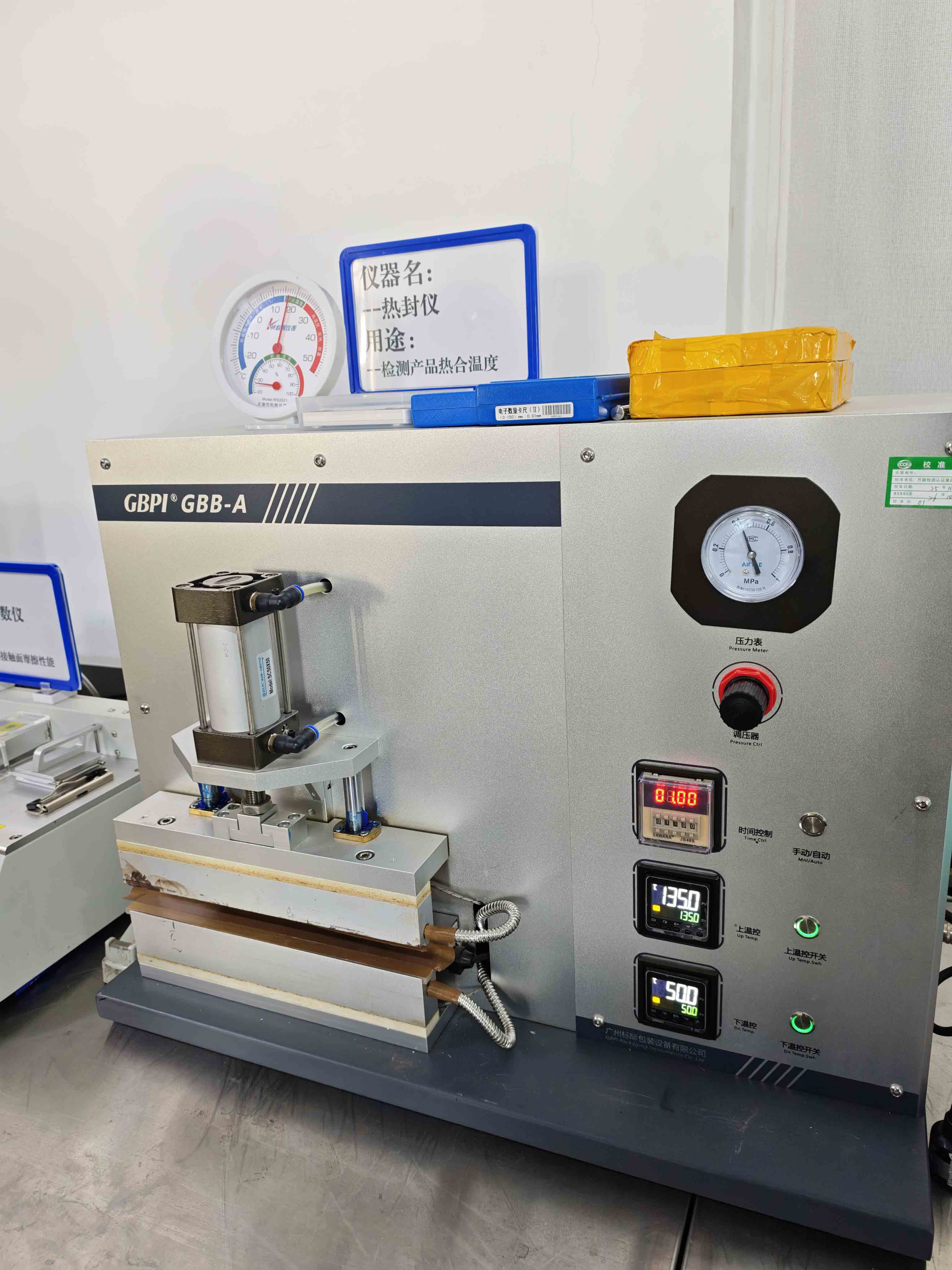
Free samples of similar materials are available. Custom sample fees are refunded when you place an order. Confirm sample preparation, shipping and the required review with the quote.
FREE DESIGN & LAYERED FILES
You can begin with a logo, reference bag or packaging idea. We provide free coffee packaging design with unlimited revisions, so an unfinished design does not stop the size discussion.
Review the artwork on the project template for the selected bag format and dimensions. Keep key text, labels and code positions clear of the agreed folds, seals, closure and valve areas.
After you approve the design, we prepare free layered production files to match the agreed bag dimensions and printing requirements. Physical sample preparation and printing setup remain separate quotation items.
Describe the look you want and the coffee weights in your range.
Connect the artwork with the selected dimensions, panels and accessories.
Receive free layered production files after design approval.
COFFEE BAG SIZES WE HAVE MADE
These bags show sizes we have made for 12 oz, 250 g and 1 kg coffee fills. Compare the dimensions and formats, then try a sample with your coffee before approving your own size.
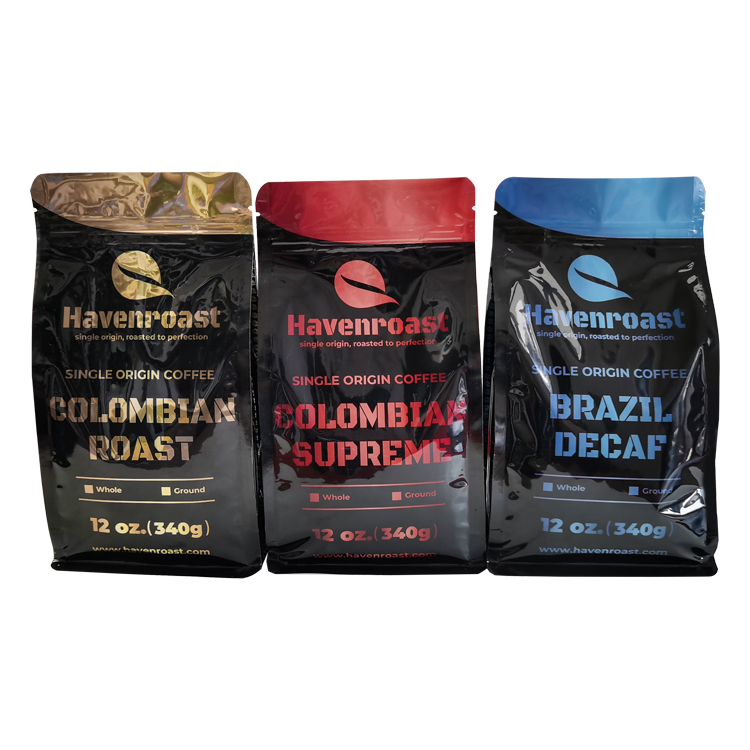
We made this digitally printed flat bottom bag in a 12.7 × 23.5 + 6 cm size. Compare the base and panels, then we can help you adapt the dimensions for your coffee.
View the 12 oz Flat Bottom ProjectWe made this gravure printed stand-up pouch in a 15 × 23 + 5 cm size for 250 g beans. Try a suitable sample to check the bottom gusset and top seal space with your coffee.
View the 250 g Stand Up ProjectWe made this gravure printed side gusset bag in a 14 × 40 + 7.5 cm size for 1 kg beans, with MDOPE/PE film and a PE valve.
View the 1 kg Side Gusset Project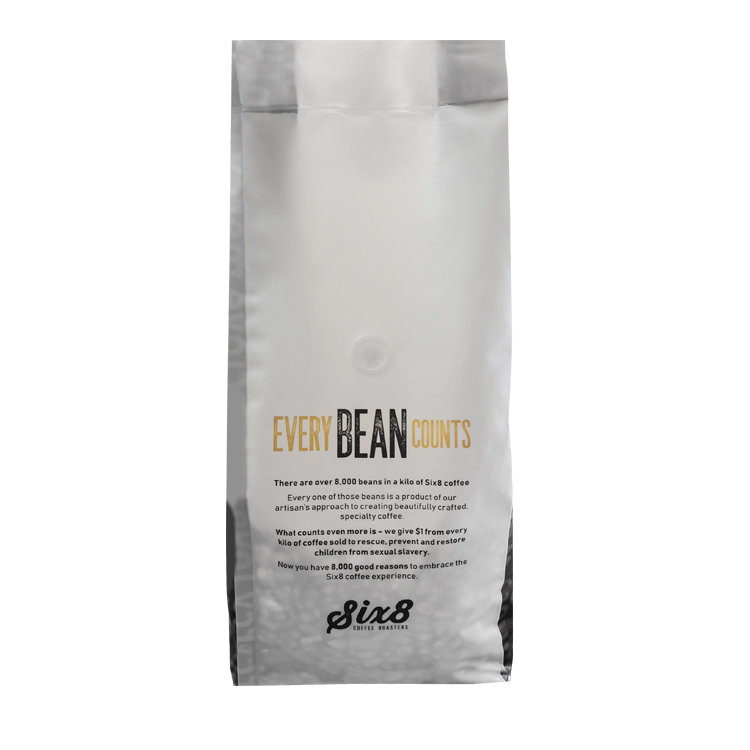
BRING THE FULL SPECIFICATION TOGETHER
Send the target fill, coffee form, preferred format, known measurements, material or feature requirements, quantities per design and destination. If a detail is undecided, tell us what you need help confirming.
Alongside the size, we will help you choose the film, valve, closure and printing. Tell us if you want recyclable or compostable materials, or have specific coffee protection requirements.
Relevant factory certificates and supporting food-contact documentation are available on request. Share the intended market so we can provide the applicable documents directly.
Confirm the minimum order quantity, price and any physical sample or printing setup items for the chosen size, material and quantities per design.
Production takes 7–12 days and shipping takes 7–10 days. Door-to-door delivery is available with taxes included. Confirm preparation, samples and delivery arrangements with the quote.
COFFEE BAG SIZES FAQ
Use these answers to prepare the size discussion. Final dimensions, accessories and sample requirements are agreed for your coffee and packing method.
Start with 12 oz as the target net weight, then choose the bag format and test a suitable sample with your actual coffee. There is no single width, height and gusset that fits every 12 oz coffee project. Confirm the opening, closure and final sealing space before approving the specification.
No. A 250 g target is about 8.82 oz, while 8 oz is about 226.8 g. State the weight you actually intend to pack. A bag described with either weight still needs a sample-fit check for your coffee and chosen configuration.
No. One pound is about 453.6 g and two pounds are about 907.2 g. A 500 g or 1 kg target is heavier than the corresponding pound target. Use the intended net weight when reviewing available sizes and filling a sample.
They mean coffee weight. The table uses avoirdupois ounces and pounds, with rounded metric references. Fluid ounces and water-volume ratings do not establish how many ounces of coffee a bag will hold.
Record the bag format, units and the points you measured. Provide the front-face width, overall height and the defined base or side gusset. Mark closure and seal areas on an annotated photo or drawing. Tell us whether the bag was flat, opened or filled; we can then review the convention together.
It commonly identifies width, height and gusset, but the measurement points and gusset notation must be agreed for the bag format. Confirm whether the values are outside or usable dimensions and whether G describes opened depth or a folded pleat. Use the project drawing rather than interpreting the numbers alone.
No. The top seal, closure, folds and other parts of the construction affect the usable area. Confirm the filling boundary and sealing space on the drawing and sample. We do not apply one fixed clearance to every coffee bag.
They can occupy different amounts of space at the same weight. Bean size, roast, grind and settling can also affect fit. Use the actual coffee and intended filling method to test the proposed sample instead of transferring a capacity from another product.
No. The base or side folds, shape and closure configuration change how the dimensions should be read and how the filled bag behaves. Compare each format using its own annotated drawing and sample, then choose the specification for your project.
Yes. Send the target weight, whole beans or ground coffee, preferred bag format and filling method. If you have an existing bag, reference photos or equipment constraints, describe them too. You can start the conversation before every measurement or material detail is final.
Yes. Free samples of similar materials are available. Custom sample fees are refunded when you place an order. Confirm which sample represents the proposed bag, and discuss sample preparation, shipping and any specific fill or seal review with the quotation.
No. We offer free coffee packaging design with unlimited revisions. After you approve the design, we prepare free layered production files for the agreed bag dimensions and printing requirements. Physical samples and printing setup are discussed separately in the quotation.
Yes. We can help you choose the film, valve, closure and printing alongside the size. Tell us your sales market, and we will share the relevant factory certificates and food-contact documents on request.
Send the target fill, coffee form, bag format, known measurements, material or feature needs, quantities per design, artwork status and destination. Production takes 7–12 days and shipping takes 7–10 days. Confirm the sample plan, production preparation and delivery arrangements with the quote.
START WITH THE DETAILS YOU KNOW
Tell us your target coffee weight, bag format and packing method. You can ask for size help, a sample review, free design or a quotation before the full specification is final.
Free design with unlimited revisions. Free layered production files after design approval.
Tell us the coffee weight and bag shape you have in mind. We can help you choose the dimensions before you have finished artwork.