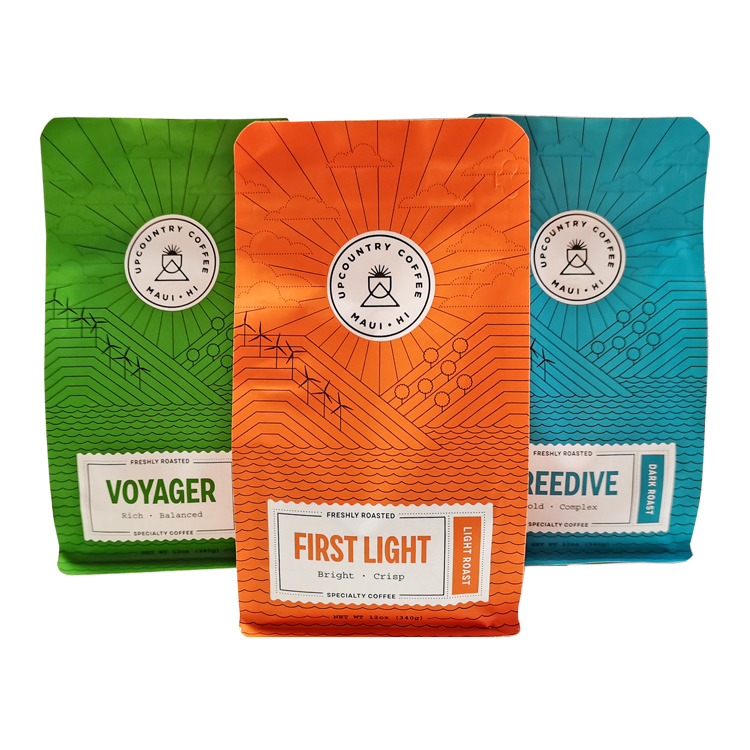
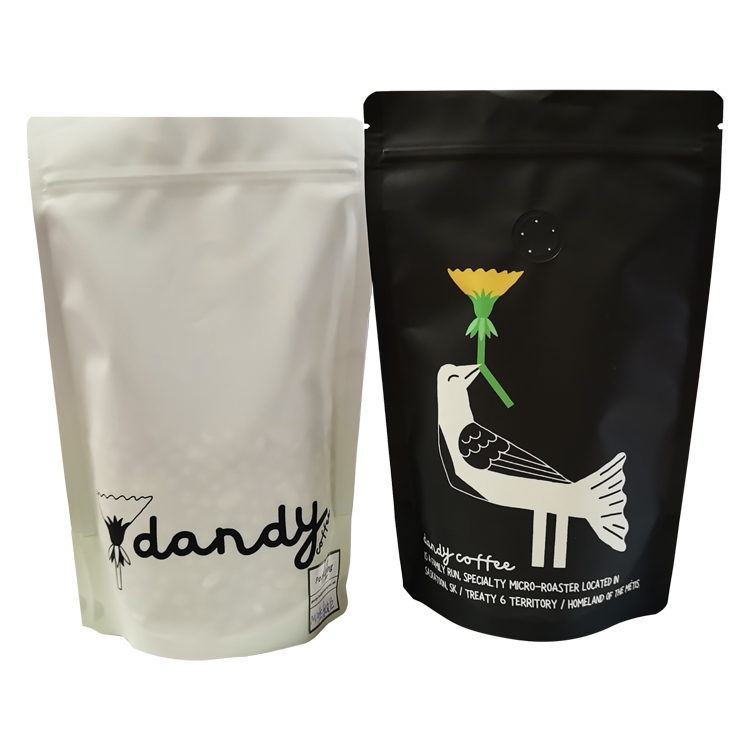
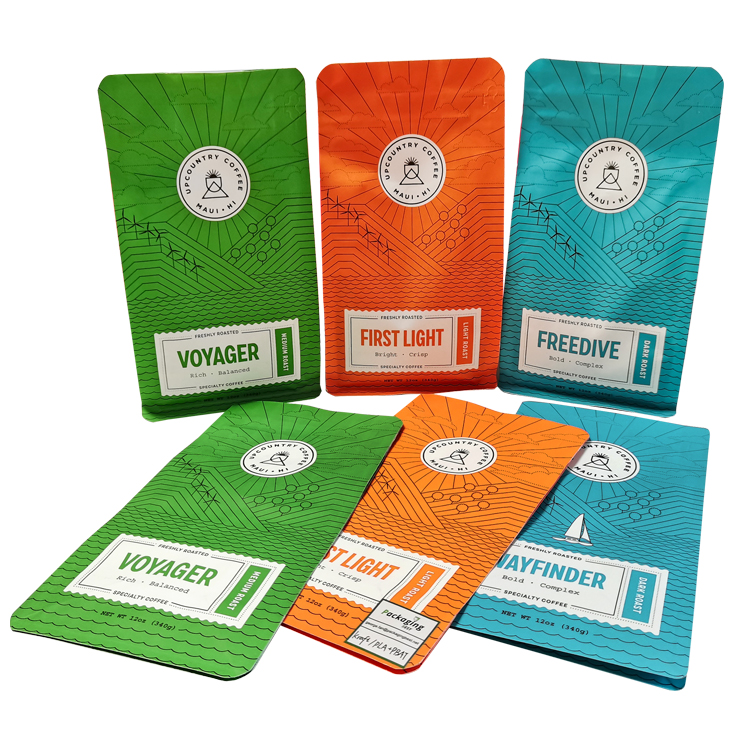
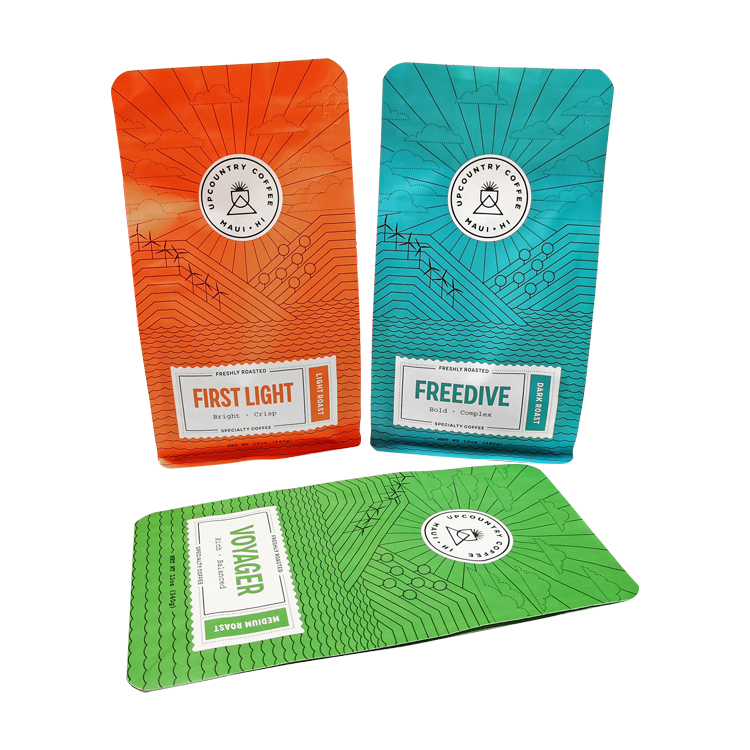
Our digitally printed 12 oz stand-up pouches with MDOPE/PE film and a degassing valve.
Tell us what you pack and where you sell it. You can send an existing bag, share a design idea or ask for samples. We will help you choose the format and materials, and explain the documents available for your order.
Free design. Unlimited revisions. Free layered production files after approval.
7–12 DaysProduction · 7–10 days shipping (confirmed by destination)
Free SamplesSimilar-material bags free; custom sample fee refunded on order
Free DesignUnlimited revisions & print-ready layered files after approval
DDP DeliveryTax-included, door-to-door options for US & export markets
RECYCLABLE & COMPOSTABLE OPTIONS
Recyclable vs. Compostable Coffee Bags: Side-by-Side Comparison
Sustainable coffee packaging for roasted beans generally follows two distinct end-of-life pathways—recyclable mono-material PE/PP (LDPE #4) pouches or industrial compostable kraft/PLA bags—and neither option is automatically better without matching your oxygen barrier (OTR) needs and local disposal stream.
RECYCLE
MDOPE/PE · digitally printed stand-up pouches
Recyclablecoffee packaging
We make PE- and PP-based coffee bags, including MDOPE/PE pouches. We select the film, valve, zipper and printing together when developing a bag for a particular recycling stream.
Collection rules vary by location and program. Check which program accepts your finished bag before adding recycling instructions. We can share the material details you need for that check.
White kraft paper / PLA · printed flat-bottom bags
Compostablecoffee packaging
We have made white kraft-paper flat bottom bags with PLA/PBAT film, a PLA valve and a zipper. We can help you choose a similar paper look and accessory arrangement for your coffee.
Tell us whether you want an industrial- or home-composting option. We will explain the proposed construction and available documentation, including the conditions covered for the bag and accessories.
Kraft describes a paper layer (most kraft coffee bags still use an inner barrier liner and are not plastic-free). Foil-free and aluminum-free high-barrier films replace conventional PET/AL/PE laminates. Bio-based describes material origin, while biodegradable does not by itself verify compostability without a defined test standard such as ASTM D6400 or EN 13432.
Tell us if you want a paper look, a particular material source or specific disposal instructions. We can help you select the bag structure and prepare wording that matches the materials and documents.
US & Export Eco-Friendly Coffee Packaging: Labeling & EPR Readiness
Tell us where your customers will use and dispose of the bags. A local café, a retail range and a national online business may need different ways to explain the packaging route. Start with the actual collection or composting arrangements you want the bag to work with.
Review the route for your market
A planning illustration. Acceptance and supporting evidence are checked for the actual packaging, market and proposed claim.
For a recycling direction
Identify the collection program and confirm its packaging requirements. Ask about the full bag, including the accessories and any instructions for emptying or preparing it. Review the route for the markets you plan to serve rather than assuming one local arrangement applies everywhere.
For compostable bags
Choose home or industrial composting at the start. Each has different conditions. We will help you understand the documentation for the proposed bag, and you can check whether your customers’ composting program accepts it.
US & Export Labeling & EPR Readiness Checklist
Chasing Arrows & Recyclability Claims: Review the FTC Green Guides and California's CalRecycle SB 343 framework (noting SB 343 enforcement is subject to federal court injunction while material studies tied to SB 54 continue) before placing chasing-arrows symbols on flexible film pouches.
Compostable Labeling & PFAS Limits: California's Truth-in-Labeling laws require compostable consumer products to stay below 100 ppm total organic fluorine and clearly distinguish industrial from home composting.
State EPR & Export Planning: Packaging EPR programs in California (SB 54), Oregon, Colorado, Maine, Minnesota, and the EU PPWR make documented mono-material or verified compostable structures easier to evaluate. Share your target states or export markets before artwork approval.
For packaging preparation reference only—not legal advice. Confirm final on-bag claims with your compliance advisor for each destination market.
If you are still choosing
Tell us where you sell your coffee and the disposal option you prefer. We can help you compare materials and samples before you choose the specifications.
We develop the film, bag format, accessories and printing as one package. This helps us match the coffee protection and filling requirements with your chosen disposal option.
PE side-gusset project · valve and printed film view
Materials, protection and print
Share whether you pack whole beans or ground coffee, your target storage period and distribution conditions. Discuss the required protection, sealing layer, finish, print coverage and any labels. Review the complete construction and the information available for that proposal.
Degassing valve
Tell us about your coffee and when you pack it after roasting. We can choose a valve for the film and position it clear of the folds and artwork. For a recyclable or compostable bag, the valve also needs to suit the selected disposal option.
Zipper and opening
Review how customers will first open and reclose the bag, together with the space needed for filling and the original seal. The zipper and other opening components belong in the full configuration and its supporting information.
Filling and final heat seal
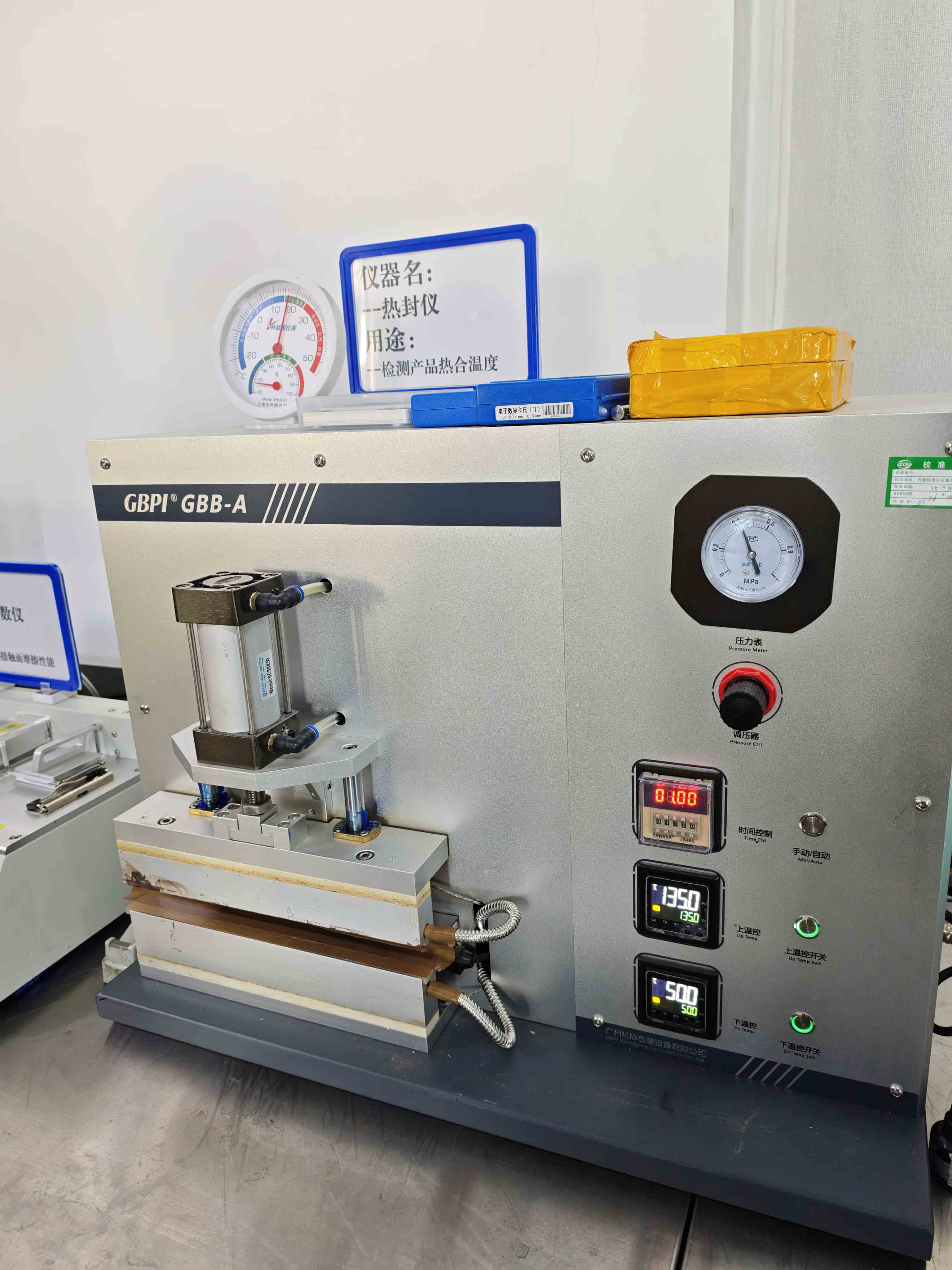
Share your filling and sealing equipment. Check the opening, usable space and seal area with an appropriate sample and agreed trials. The sealing settings should suit the actual material and process.
MDOPE/PE pouches · compare the tops and filled shape
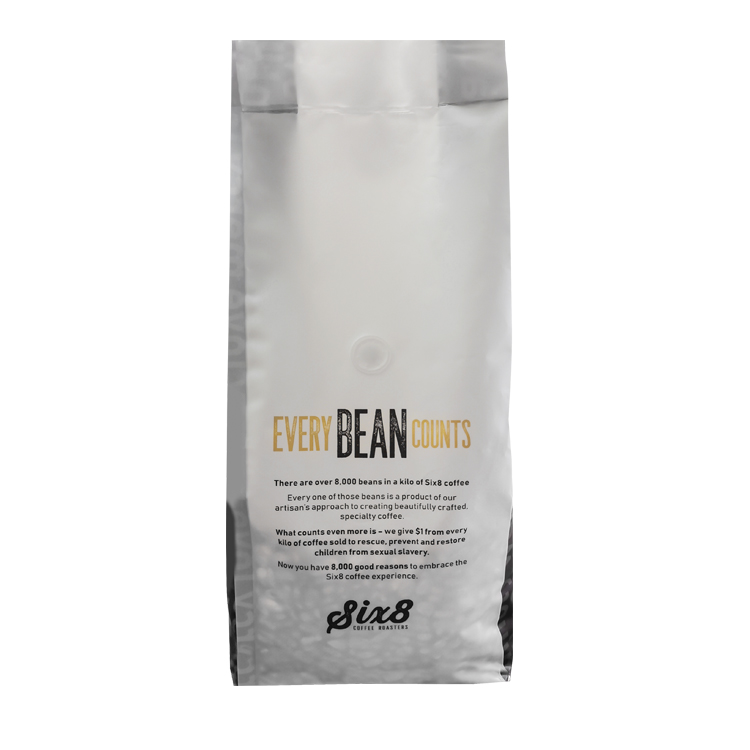
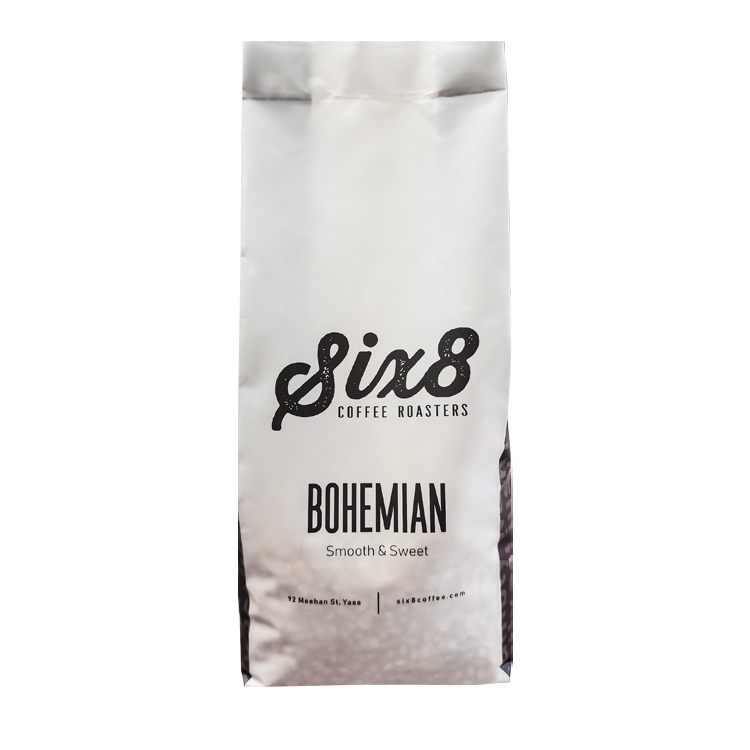
Our 1 kg side gusset coffee bag, made with gravure-printed MDOPE/PE film and a PE valve.
Common Sustainable Coffee Bag Fill Weights (8 oz to 5 lb)
Core US specialty retail format; all three styles support matched one-way valves
1 lb (454 g) / 500 g
Flat Bottom · Side Gusset · Stand-Up
Recyclable MDOPE/PE or Compostable Kraft/PLA
Compare whole-bean volume vs. denser ground coffee before locking dimensions
2 lb (907 g) / 1 kg
Flat Bottom · Side Gusset
Recyclable MDOPE/PE (primary) or Kraft/PLA
Verify bottom-seal and gusset drop strength with physical samples
5 lb (2.27 kg)
Side Gusset · Heavy-Duty Flat Bottom
Recyclable MDOPE/PE (preferred for bulk durability)
Wholesale café & roaster bulk pack; confirm seal width and carton fit
Illustrative cross-section of recyclable mono-PE (MDOPE/PE) and compostable kraft/PLA coffee bag structures. Exact film thickness, barrier properties, and accessory compatibility are confirmed per project specification.
Three formats to discuss
Flat bottom coffee bags
A defined base and separate front, back and side panels give you room for branding and coffee information. The white kraft-paper bag below is one example we have made.
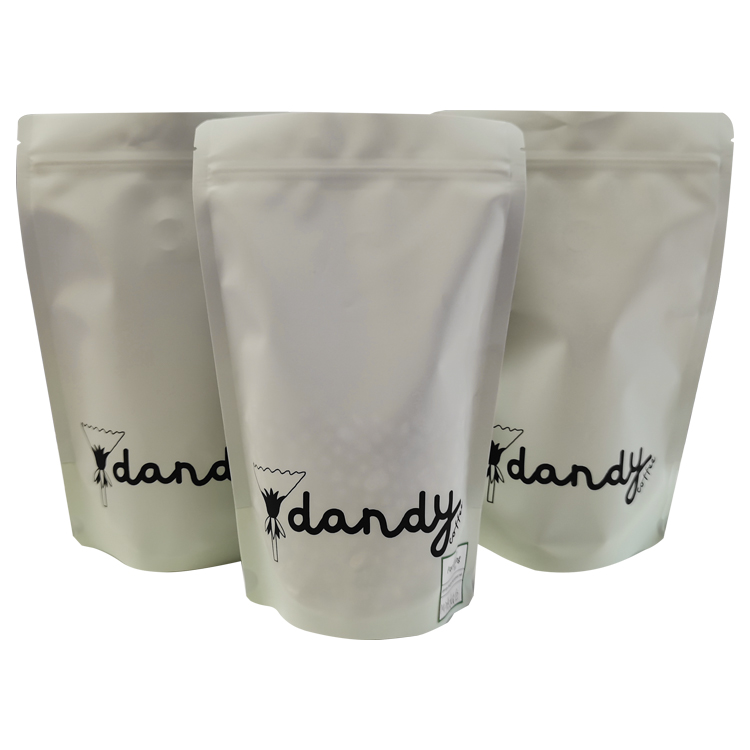
A bottom gusset lets the filled pouch stand upright, with front and back panels for your design. The digitally printed MDOPE/PE pouch below shows this format.
For a recyclable or compostable direction, confirm the construction and accessory arrangement available for the format you choose. Use your target net weight as a starting point, then check the actual dimensions and fill with your coffee.
Free Sustainable Coffee Bag Design & Multi-SKU Digital Printing
You can start before you have finished artwork. Share your logo, coffee information, design references and the direction you want to review. We help develop the design around the bag dimensions, panels and features agreed for your project.
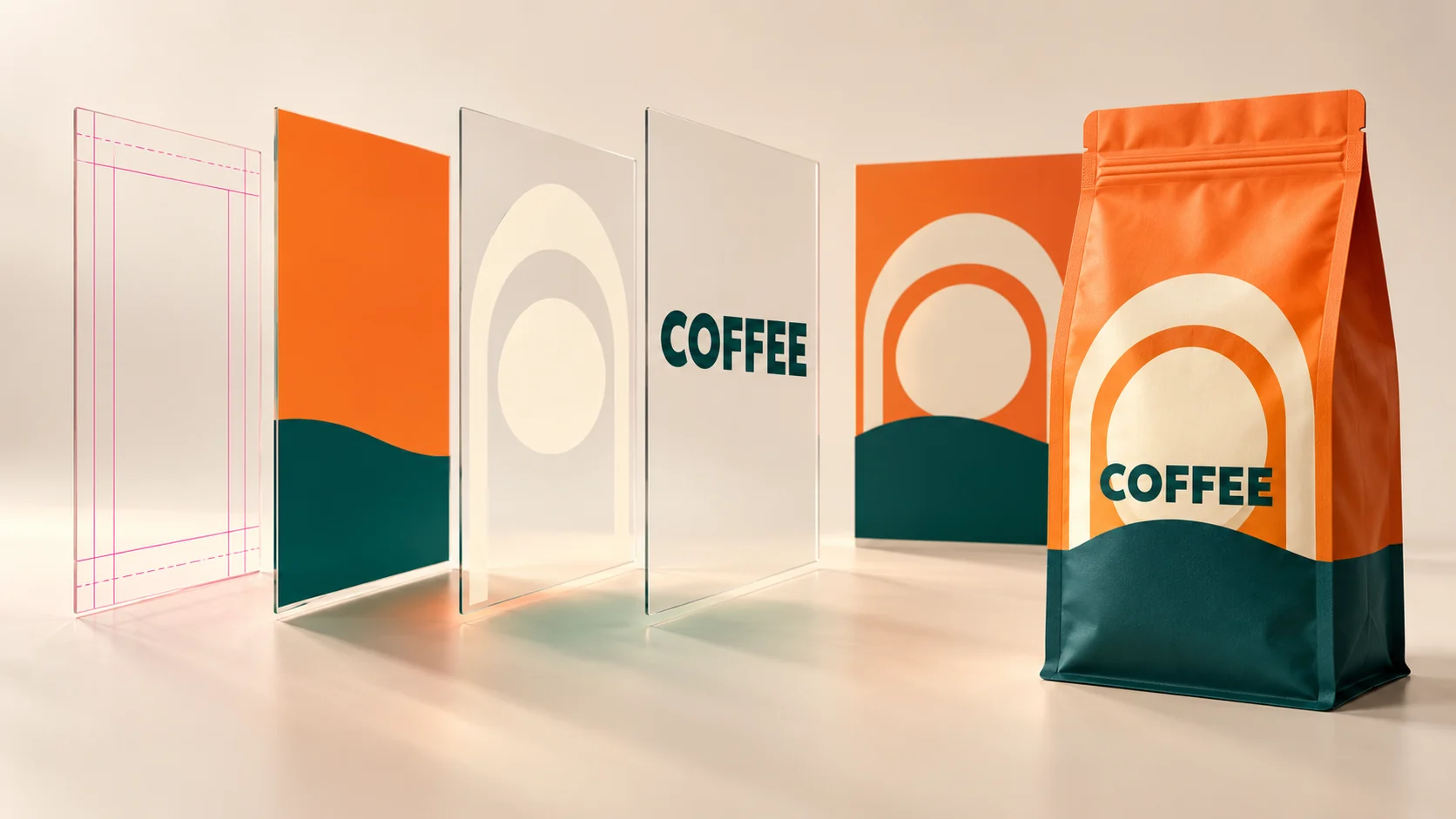
Illustrative design layers for a coffee bag.PRINTED.
White kraft-paper / PLA project · finished printed panels
YOUR IDEA
Free design
Bring your brand idea and the information you want customers to see. We can help organize the design across the front, back and any side or base panels, including the product details that change between blends or origins.
MAKE IT YOURS
Unlimited revisions
Review the proposed layout with us and refine it until you approve the design. Work through the artwork, text, feature positions and any packaging instructions within the agreed specification.
READY TO PRINT
Free layered production files
After design approval, we prepare the layered production files free of charge. The files are prepared for the confirmed bag dimensions and printing requirements, including the relevant seal areas and accessory positions.
Prepare the packaging information with the design.
Confirm the wording and disposal instructions supported for your actual bag before approving the artwork. Any certification mark needs the applicable scope and permission. Share the information you want included so its position and readability can be reviewed.
We discuss the printing approach with your material, artwork, quantity and number of designs. An on-screen proof helps check layout; appropriate physical or custom printed samples help review the visible effect for the proposed bag.
Transitioning Multiple Coffee SKUs Without High Plate Fees
Running 4 to 12 single-origin or seasonal blends does not require separate gravure cylinders for every design. Standardize one bag format and size across your private-label lineup and compare digital printing for multi-SKU coffee lines alongside shared coffee bag sizes—our designers adapt every SKU layout and disposal statement free of charge.
Real Eco-Friendly Coffee Bag Projects We Have Manufactured
Compare these bags we have made in different formats and materials. Each example includes its size, printing and accessories so you can see which details you might want for your own coffee.
1 / 6
MDOPE/PE stand up pouch
We digitally printed this 12 oz stand-up pouch with MDOPE/PE film and a degassing valve. It measures 15 × 23 + 5 cm and shows how a PE-based pouch can carry a coordinated coffee design.
We made this 12 oz flat bottom bag with gravure printing, white kraft paper, PLA/PBAT film, a PLA valve and a zipper. Its 11.9 × 22 + 7.9 cm size offers a paper look with several artwork panels.
We made this 1 kg side gusset bag with gravure-printed MDOPE/PE film and a PE valve. The 14 × 40 + 7.5 cm bag provides a larger fill option to compare with the pouches.
Free Sustainable Coffee Bag Samples, Heat-Seal Checks & Certifications
Similar material samples are free. Tell us which material direction, bag format or feature you want to compare so we can discuss a suitable sample.
Custom samples have a fee, refunded when you place an order. Confirm the sample scope, cost and timing. Sample shipping arrangements and costs are discussed for your destination.
Use a sample to check the fill, appearance, opening and sealing. Ask us which materials it represents and request the documents relevant to the recyclable or compostable option you want.
Mono-PE has a narrower melt-to-seal range than PET/PE—step up jaw temperature gradually to prevent film shrinkage
Kraft/PLA can scorch or turn brittle at conventional foil settings—start lower and inspect for flat, unbroken seams
2. Degassing valve
Confirm PE one-way valve releases post-roast CO₂ without leaking aroma or drawing ambient oxygen (OTR) back in
Check PLA valve adhesion after sealing and light squeeze pressure; keep valve clear of side-gusset creases
3. Zipper & tear notch
Open and reclose 10+ times post-seal to verify PE zipper bond strength on the inner sealant layer
Test tear-notch start through kraft paper + PLA liner for a clean first opening without tearing the zipper track
4. Filled drop check
Fill to target weight (12 oz, 1 kg, or 5 lb), seal, and run bench drop checks before approving bulk production
Verify corner seams and bottom gussets under filled weight to confirm parcel-shipping durability
Request documents for your intended use.
Relevant factory certificates and supporting food-contact documentation are available on request. Tell us your intended market, coffee and packaging requirements, and our team will provide the applicable documents directly for review.
For recycling or composting information, ask which materials, accessories and conditions the available documents cover. We can help you understand how those documents relate to the bag you plan to order.
TURN THE DIRECTION INTO AN AGREED PROJECT
Bring the packaging details togetherbefore production.
01
Share your brief. Describe your coffee, target net weight, sales market, preferred format, quantity and number of designs. Include the packaging direction, collection route or document requirement you already know.
02
Review the proposal. Discuss the complete material structure, accessories, printing, samples and supporting information relevant to that direction.
03
Approve the specification and artwork. Confirm dimensions, features, agreed sample checks, documents and the wording to appear on the bag.
04
Confirm the quotation and delivery. Agree the order costs, production schedule and delivery arrangement for your destination.
LET’S MAKE IT.
Printed paper/PLA flat-bottom coffee bag range
Plan production and shipping.
Production takes 7–12 days; shipping takes 7–10 days. Door-to-door delivery is available with taxes included. The quotation confirms the arrangement, costs and timing for your destination.
Tell us about a planned launch date or an existing bag you are replacing so those requirements can be included in the project discussion.
1. What should I consider when choosing sustainable coffee packaging?
Start with your coffee protection, packing process and where you sell. We can help you compare recyclable and compostable materials, choose compatible accessories and find out what disposal instructions your customers can follow.
2. What is the difference between recyclable and compostable coffee bags?
Recycling aims to recover compatible materials through a suitable collection and recycling system. Composting needs the specified biological treatment conditions and appropriate evidence for the packaging. Review the complete bag and the available route in either case. The material proposal, accessories, claims and instructions should be confirmed together.
3. Does a PE or mono-material coffee bag automatically qualify for curbside recycling?
No. The complete structure and accessories need assessment, and the actual collection system must accept the bag. Curbside collection and a store drop-off program are different routes. Check the packaging requirements and relevant evidence before using instructions or a recycling claim for your market.
4. Are compostable coffee bags home compostable?
Home and industrial composting have different conditions. Tell us if home composting is your priority. We will explain the proposed bag and the available documentation before you choose disposal wording; an industrial-composting option needs the specified facility conditions.
5. Are kraft coffee bags recyclable or compostable?
Kraft paper gives the bag its paper look, while the film layers provide protection and heat sealing. We offer different kraft laminates and can explain the recycling or composting options for the complete bag.
6. Are bio-based, biodegradable, recycled and recyclable the same thing?
No. Bio-based concerns material origin; recycled content concerns material recovered from a waste stream. Recyclability concerns recovery through an appropriate system. Biodegradability needs a specified environment and time, and does not by itself establish compostability. Ask for the meaning, scope and supporting information behind the attribute you want, rather than treating these terms as interchangeable.
7. Can a bag have a degassing valve and zipper?
Yes. We have made bags with valves and zippers, including the paper/PLA flat bottom bag shown above. We select compatible accessories for your material and position them to suit the filling opening, customer access and artwork.
8. How do I check whether the proposed material protects my coffee?
Tell us the coffee type, packing process and storage period you need. We can explain the barrier layers, sealing requirements and available material information. Try the proposed bag with your own coffee and storage conditions before setting a shelf-life claim.
9. Which formats and sizes can I discuss?
We make flat bottom coffee bags, stand up pouches and side gusset bags. Confirm the specific material and accessory combination available for the format you choose. Start with your target net weight, then use suitable samples and your coffee to check the dimensions, usable space, filling opening and final sealing area.
10. Do I need finished artwork before contacting you?
No. Share your logo, coffee information and design ideas. We provide free design and unlimited revisions. After you approve the design, we prepare layered production files free of charge for the confirmed dimensions and printing requirements. Packaging claims and instructions should be reviewed with the agreed specification before artwork approval.
11. Can I request samples and packaging documents?
Yes. Similar material samples are free, and custom sample fees are refunded when you place an order. Discuss the sample scope and any shipping costs. Relevant factory certificates and supporting food-contact documents are available on request. For a recycling or composting claim, confirm the evidence available and its applicability to the proposed bag and market.
12. What are the MOQ, price and lead time for custom sustainable coffee bags?
Quantity and price are confirmed with the proposed format, construction, features, printing and number of designs. Share your requirements for a project quotation. Production takes 7–12 days and shipping takes 7–10 days; door-to-door delivery is available with taxes included. Confirm the costs, schedule and delivery arrangement for your destination.
13. Can compostable coffee bags go into conventional plastic recycling bins?
No. Compostable plastics such as PLA should never be placed in conventional plastic recycling bins or grocery-store PE film drop-off streams, because they contaminate recycled polyethylene feedstock. Label each finished bag clearly for its verified end-of-life route—either a compatible PE recycling stream or a specified industrial or home composting system—and never mix both claims on one bag.
14. How can small coffee roasters switch to sustainable bags across multiple SKUs without high plate fees?
Standardize one bag format and size (such as a 12 oz flat bottom bag or stand-up pouch) across your single-origin and seasonal lineup, then use digital printing on compatible recyclable MDOPE/PE structures. Digital printing avoids per-design gravure cylinder fees for private label and small-batch roasters, and our team adapts your artwork across multiple SKUs with free design, unlimited revisions, and free layered production files after approval.
START WITH THE INFORMATION YOU HAVE
Let’s choose the materials foryour coffee bags.
Tell us about your coffee, where you sell, the bag format and net weight you are considering. Add the quantity, number of designs, destination and any valve, zipper, sample or document requirement you already know.
Ask us to compare materials, arrange samples or start the free design. You can contact us before choosing every detail; tell us which decisions you would like help with.
3-STEP SPECIFICATION BUILDER
Build your sustainable coffee bag brief in 30 seconds
Select your eco direction, bag format, and fill weight—then apply your spec directly to the form below or copy it for your team.
1. Sustainability Direction
2. Bag Format & Fill Weight
3. Primary Goal & Features
Ready-to-send specification brief
Goal: Request a custom sustainable coffee bag quotation and timeline.
Sustainability direction: Recyclable Mono-Material PE (MDOPE/PE · LDPE #4)
Bag format & target fill: Flat Bottom Coffee Bag, 12 oz (340 g)
Requested features: One-way degassing valve, Free packaging design & layered files
Coffee type (whole bean / ground), estimated quantity, SKU count & destination:
Send Your Sustainable Packaging Inquiry or Free Sample Request
Start with just 3 details: your coffee type & fill weight, preferred eco direction, and destination market. Finished artwork is not required—free design, unlimited revisions, and free similar-material samples are available.