
For a roaster developing packaging, the more useful question is how long your own coffee meets your chosen flavor standard in the complete package. Separate that unopened objective from the experience after first opening. Coffee, packing conditions, film, valve, seals, storage and customer handling all belong in the evaluation.
We help brands choose the bag construction and features around those requirements. This guide explains how to interpret freshness advice, compare the right conditions and prepare a practical evaluation plan. It concerns roasted coffee quality; a freshness estimate is not a determination of whether a damaged or contaminated product is safe to consume.
Define the freshness goal and the starting date
Keep three dates separate
The roast date, packing date and first-opening date describe different events. A coffee can already have spent time resting and moving through distribution before its retail bag is opened. When someone says a bag lasted several weeks, ask which event started the count. Otherwise, two apparently conflicting freshness reports may simply be measuring different intervals.
For an unopened storage objective, state the starting event explicitly in the project brief. If your business plans the date from roasting, keep the roast-to-pack interval visible. If you plan it from packing, record the coffee's condition at that point. This also helps when comparing a new material against the bag you already use: both samples should represent the same defined starting condition.
After first opening, keep track of both the opening date and the previous unopened history. A newly opened bag near the end of its intended retail period is a different starting point from a recently packed bag. Consider both when developing customer instructions. Testing only the earliest available coffee may leave the later retail experience unexplored.
Decide what a satisfactory cup means for your brand
“Fresh” can refer to a recognizable aroma, retention of a coffee's distinguishing notes, or acceptance by the people who normally buy it. Choose what you intend to assess before choosing a test duration. A coffee can change gradually without crossing everyone's acceptance threshold on the same day. Write specific observations instead of assigning a calendar limit to the word alone.
Kreuml and colleagues' sensory study assessed brewed coffee from vacuum-packed beans stored in darkness at ambient temperature. Their trained panel evaluated defined attributes and detected changes over storage. Its value here is the distinction between a dated package and measured cup quality, rather than a storage period to copy onto another product.
For your evaluation, identify the coffee, brewing method and qualities you want to retain. Separate a change in the characteristic flavor from an equipment or recipe change during tasting. Decide who will review the samples and how observations will be captured. If you need a formal sensory assessment, agree its method with the people conducting it before the samples are prepared.
Read the unopened bag as a complete package
Connect the coffee and filling process to the storage objective
Describe whole beans or grounds, roast information and the interval before sealing. If your packing operation uses nitrogen flushing or another atmosphere-control step, specify that process and the checks used to monitor it. A bag supplier needs to understand the conditions the package is expected to maintain. Do not assume a proposed bag automatically includes a filling service or atmosphere treatment.
The air remaining around the coffee after filling is a separate question from oxygen entering later. Discuss the measurements that your packing operation can make, including when a sample is taken. A number measured immediately after sealing is a different observation from a number measured after storage. Keep the sampling event beside the result so comparisons remain meaningful.
Record the actual fill and available space as well. If you change from one weight to another, describe the new pack rather than assuming the storage behavior is unchanged. The purpose is to identify the product-package combination you will evaluate. Our sample guide covers the preliminary fit and handling checks before this longer evaluation begins.
Give the film, valve and seals their separate jobs
The complete material and barrier structure belongs in the specification. Ask which layers and components are proposed, and request applicable barrier data where your evaluation requires it. Keep the test method, units and conditions with any reported value. A matte finish, metallic appearance or material-family name is not a numerical shelf-life result.
A one-way degassing valve provides a controlled gas-release path. Valve manufacturer Plitek describes opening under internal pressure and closing to restrict reverse entry. This component does not remove oxygen that entered through the filling opening, and it does not perform the job of the final seal. Choose and evaluate the valve as part of the whole package, including its application to the bag.
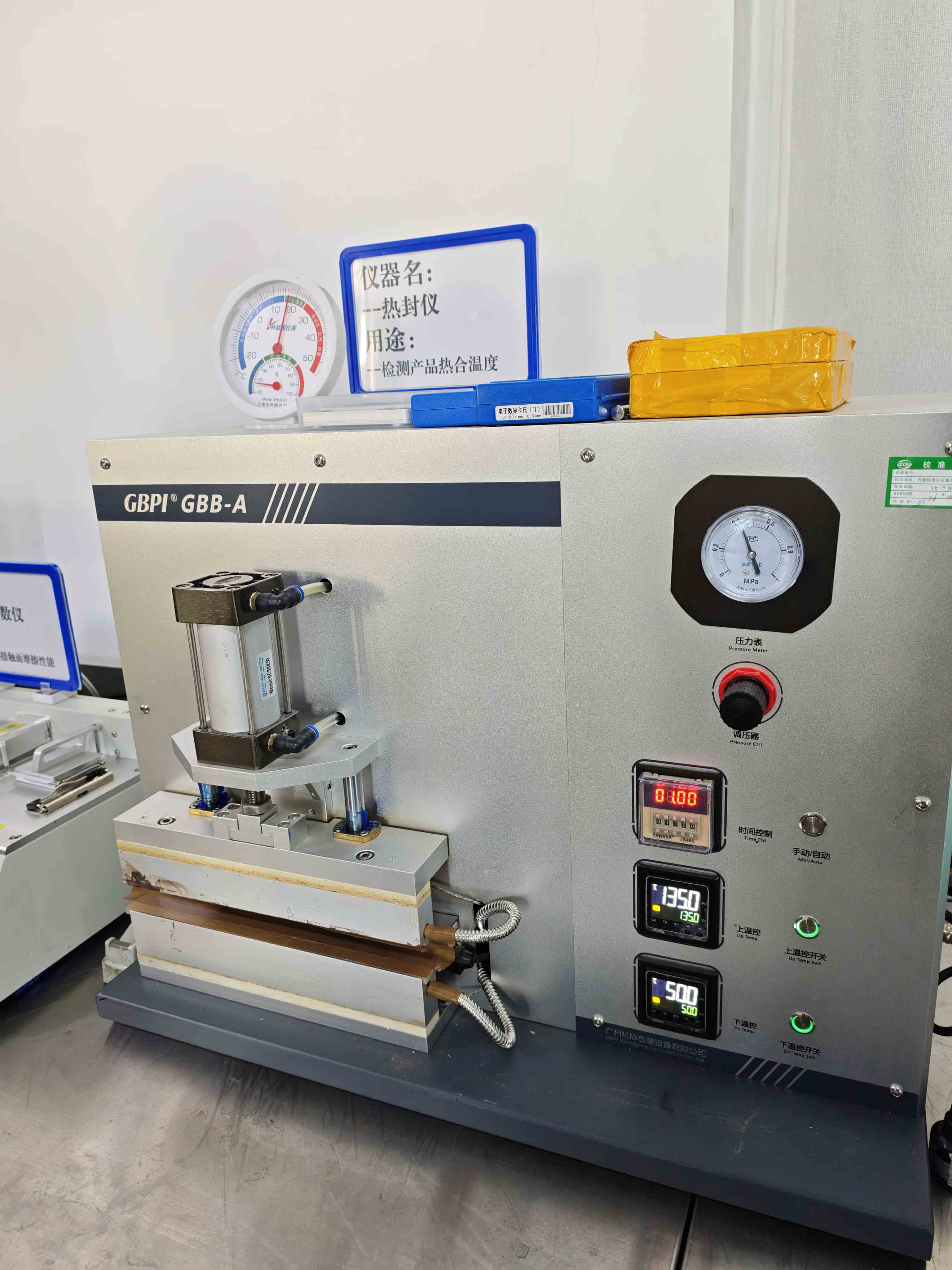
The final heat seal closes the filling opening. A reusable zipper is intended for later access and reclosure. When asking whether a coffee bag is “airtight,” specify whether you mean the original sealed package, a reclosing feature, or a measured leak or gas-barrier requirement. A useful specification names the condition and the evaluation; the adjective alone cannot define a storage period.
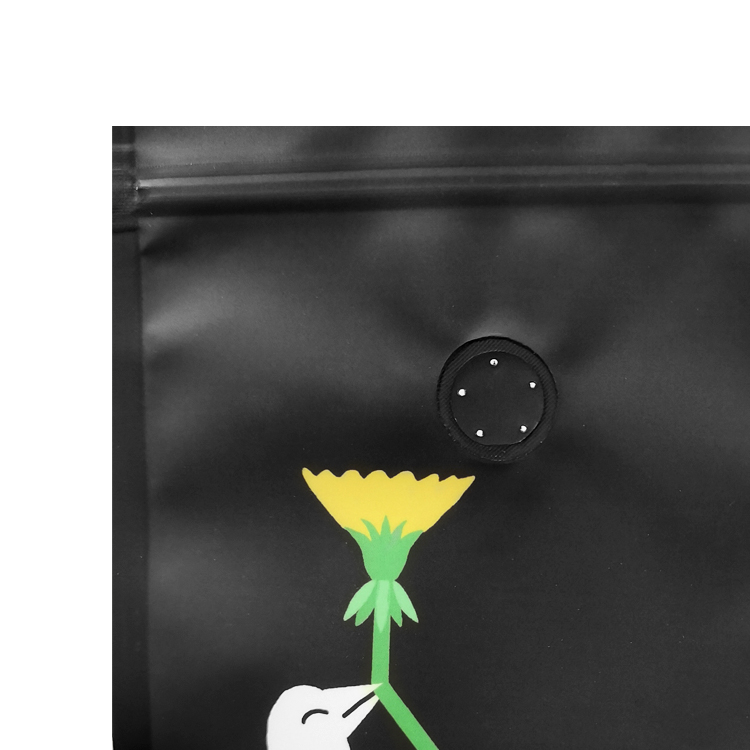
Our whole-bean and ground-coffee valve guide addresses whether a valve belongs in a proposed configuration. The heat-sealing guide covers the sealing trial. Use those focused guides for the operating details while keeping this evaluation centered on coffee quality over time.
Understand what changes after first opening
Reclosure does not repeat the packing process
Once the filling seal is opened, everyday use introduces a new handling sequence. Customers open the package, remove coffee and close it again. The amount left changes, the available space changes, and the closing method may differ from the original sealed condition. Record the sequence you intend to assess instead of treating “opened” as one identical condition for every household or café.
A 2022 study by Smrke and colleagues compared four after-opening methods using nitrogen-packed Arabica whole beans in 1 kg OPP/AL/PE valve bags. Testing began three weeks after roasting; 49 g was removed twice weekly at room temperature. The researchers compared a canister, tape, clip and integrated screw-cap package using gas measurements and chemical freshness indices.
The screw-cap arrangement performed best in that experiment, but the authors did not establish a sensory acceptance deadline. The result therefore cannot supply a universal number of days for an ordinary zipper bag or every container. For a brand's own trial, the useful lesson is to define handling as carefully as the bag construction.
Assess the closing feature your customer will actually use
If you choose a zipper, check whether users can find it, clear coffee from it and close the full width comfortably. With another closing method, assess that method as supplied. Our zipper and reclosure options help you specify the feature; the opening and resealing guide explains the handling steps without promising a freshness period.
Include the bag's later stages of use. A package that is convenient when full can be handled differently when only a small amount remains. Note whether customers leave the top standing open while preparing coffee or close it immediately. These observations help you write practical instructions and select the scenarios worth including in a more controlled storage study.
Use storage advice with its stated conditions
The NCA's general guidance favors protection from air, moisture, heat and light, with cool, dark storage and an opaque airtight container. Its room-temperature guide gives 1–2 weeks for opened ground coffee under its stated container assumption. Neither that range nor the whole-bean reference should be printed as a verified promise for a different bag and packing process.
| Situation | Useful starting point | What a brand should establish |
|---|---|---|
| Unopened retail bag | Follow the product's best-by date and storage instructions | The defined start date, coffee, package and conditions behind the unopened objective |
| Opened whole-bean pack | Consider the actual closing and dispensing routine | The use pattern and quality criteria for the proposed after-opening instructions |
| Coffee moved to a container | Review the container and how it is used | Whether the proposed transfer routine was included in the evaluation |
| Different temperature or delivery history | Identify the changed conditions | Whether the existing evaluation represents that route |
Original bag, canister or household zipper bag?
Choose a storage arrangement by its actual construction, closure and use. A well-specified original package and an unsuitable container are different from a damaged bag and a suitable container. The label “airtight” on a household item does not mean it preserves the original packing atmosphere whenever its lid is opened. Review what happens during normal dispensing as well as between openings.
A household zipper bag, including a Ziploc-type product, should be considered for its intended use and the particular model's instructions. Do not assume it reproduces the original coffee bag's construction or filling conditions. Equally, do not assume every household bag performs identically or is unsuitable solely because it is a household product. A useful comparison identifies the actual candidate and the handling routine.
If your brand recommends transferring coffee, make that part of the evaluation and customer instructions. Name the relevant container characteristics and explain the intended routine. If you recommend keeping the original bag, check that its opening and closure make those instructions practical. The choice should help the customer perform a defined action rather than ask them to interpret a broad packaging claim.
Treat refrigeration and freezing as distinct scenarios
If cold storage is part of your product instructions, evaluate that scenario explicitly. Record the storage temperature, how the coffee is portioned, how it is brought back to use and how often the package is opened. Follow product-specific guidance rather than converting a room-temperature result into a freezer claim. Cold-storage handling adds questions that an unopened ambient trial was not designed to answer.
Interpret research numbers before applying them
Check the product, package, conditions and endpoint
Ask four questions of a published freshness result: What coffee was used? How was it packed? How was it stored and opened? What counted as the end of acceptable quality? A chemical marker, package gas concentration and sensory judgment describe different observations. A difference between methods can be useful without establishing a best-by date.
Kim and colleagues' study, published in 2025, used 100 g portions of moderately dark roasted Arabica in a specified metallized, valve-equipped bag at 15, 25, 35 and 45°C. Oxidation measured by peroxide value progressed faster at higher temperatures. The authors cautioned that linking the chemical threshold to sensory quality needed further investigation. This illustrates why a model's conditions and endpoint must accompany its estimated shelf life.
For a project with different beans, roast, package or distribution, treat the paper as information for designing the evaluation. It does not supply a tested duration for our MDOPE/PE or MATOPP/VMPET/PE examples. Requesting the complete experimental description is more useful than extracting an isolated month count from a search result.
Distinguish a target from a demonstrated result
A target is what your commercial plan needs the coffee to achieve. A result is what a defined evaluation has shown. Keep those two entries separate in the brief, then use the target to plan samples and testing. If the result falls short, you can compare a changed package, a revised distribution plan or a different after-opening recommendation against the same agreed objective.
Avoid changing several variables without identifying them. If the new bag also carries a different coffee or filling process, the comparison concerns the whole changed system. You may still need that commercial comparison, but label it clearly. When you want to understand a single material or closure change, keep the other relevant conditions aligned wherever practical.
Use real bag configurations as starting points
We have made the three constructions below. They show why net weight, format, material and opening belong together in a packaging brief. Select the configuration you want to explore, then plan its evaluation with your own coffee and conditions.
| Our finished configuration | Specified dimensions | Material and printing | Feature to bring into the evaluation |
|---|---|---|---|
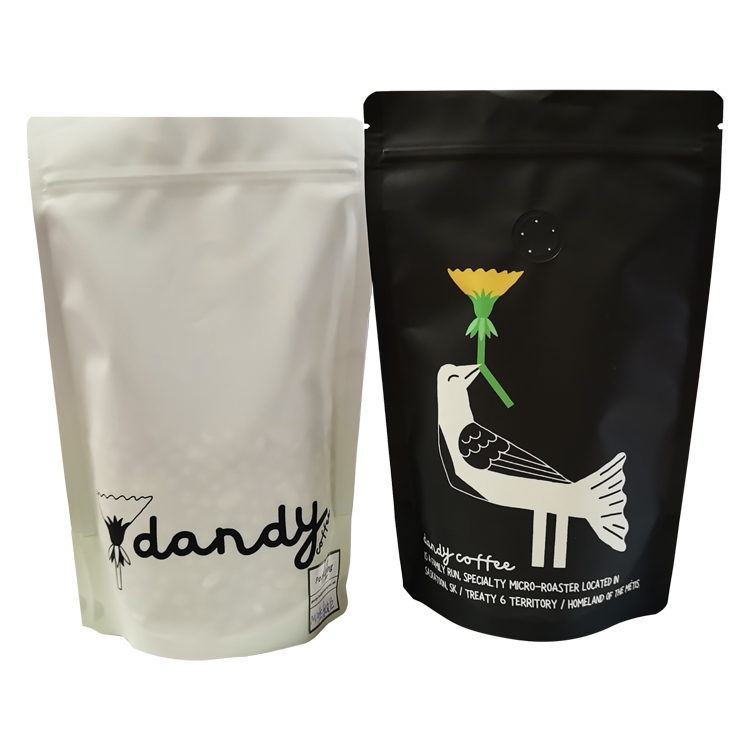
| 12 oz whole-bean stand-up pouch | 15 × 23 + 5 cm | MDOPE / PE; digital printing | Degassing valve and the proposed final filling seal |
| 1 kg wholesale side gusset bag | 14 × 40 + 7.5 cm | MDOPE / PE; gravure printing | PE valve, larger fill and the intended dispensing routine |
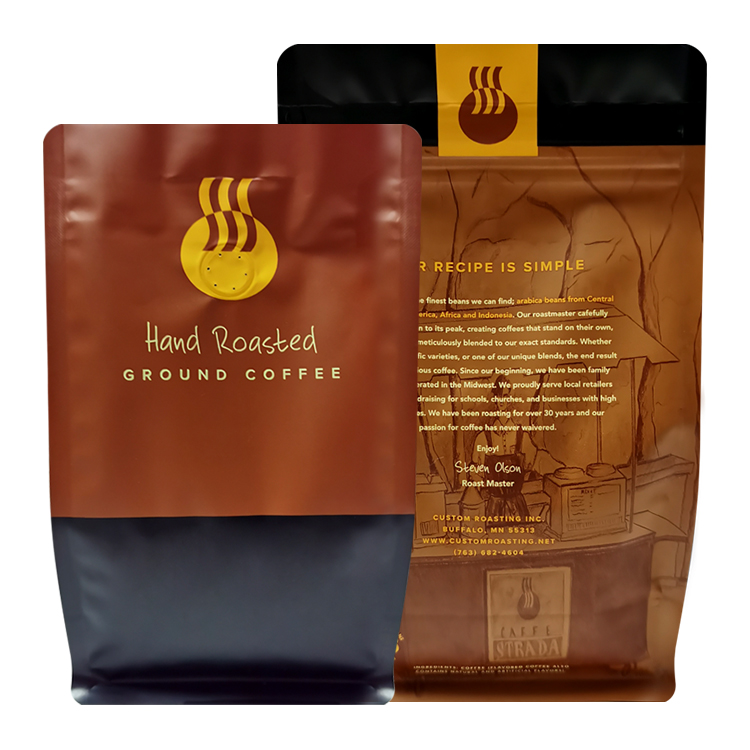
| 12 oz ground-coffee flat bottom bag | 13 × 22 + 8 cm | MATOPP / VMPET / PE; gravure printing | Valve, pocket zipper and ground-coffee handling |
Our 1 kg side gusset project is a larger pack than the 12 oz stand-up project. For your own larger pack, describe who opens it and how much coffee is removed at each use. A café opening the bag repeatedly during service and a household using it slowly present different handling questions, even if the material name is the same.
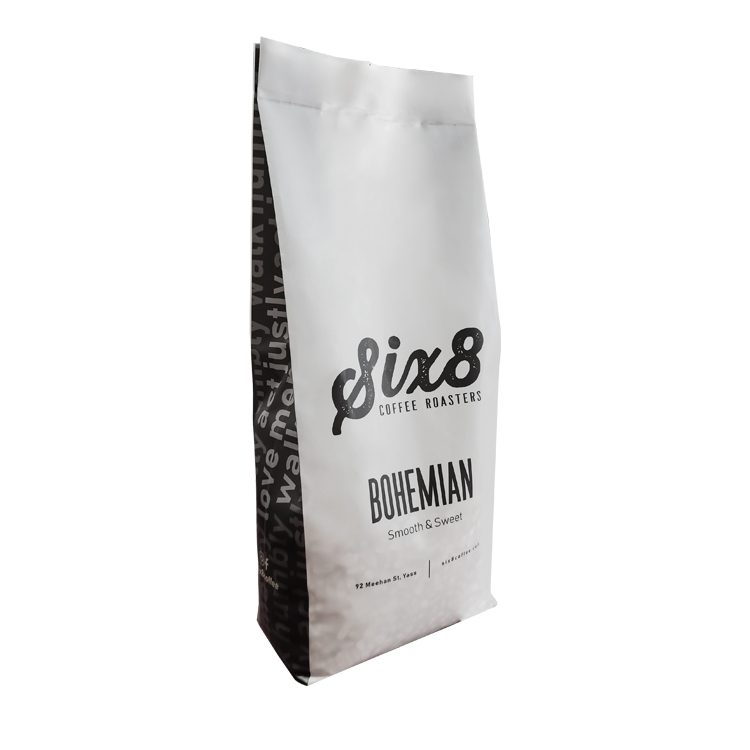
The 12 oz ground-coffee flat bottom project uses a pocket zipper and a different laminate. Grounds around the opening and the intended closing action belong in its handling review. Keep a change from whole beans to ground coffee visible in the evaluation plan rather than treating a familiar weight or design as an unchanged product.
Plan an unopened storage evaluation around your distribution
Write the requirement before arranging samples
Start with the commercial journey. State how long coffee may remain with you, in transit, with a distributor and on a retail shelf before purchase. Include the period of quality you want the customer to experience afterward. These are planning inputs, not durations established by adding calendar stages together. They tell the evaluation team which product ages and conditions need representation.
Describe expected storage conditions and any demanding parts of the route. If your information is incomplete, identify what should be measured during the distribution review. A warehouse temperature, a vehicle journey and a retail display should not automatically be represented by one convenient room in the roastery. Decide with the evaluation team which conditions the study can reasonably cover.
Then define the candidate precisely: bag drawing, complete structure, components, print and finish where relevant, coffee fill and filling process. Include the final sealing procedure and the way the packing team identifies a lot. Retain these references with the samples. If the construction changes during development, assign the new candidate its own reference before comparing results.
Agree the sampling plan and the quality decision
Choose evaluation points with the people responsible for assessing your coffee. Include a defined starting reference and points that address the commercial objective. Prepare enough independently identified packages for the agreed assessments. Repeatedly opening the only bag available would turn an intended unopened test into an after-opening trial.
Agree which observations answer which questions. Physical checks concern the bag and closure; gas measurements concern the package atmosphere; sensory assessment concerns the brewed coffee experience. If laboratory analysis is needed, name the method and reporting requirements. Do not substitute a quick fit trial or a visual check for the quality assessment your intended statement requires.
Use clear acceptance criteria established before reviewing the final results. Explain what the brand would consider an unacceptable loss of its intended profile and who makes that decision. Retain the observations even when a candidate is rejected. Those records can help distinguish a packaging change worth investigating from a need to revise the commercial objective.
Assign the work to the right team
Ask which parts of the plan your packaging supplier, packing operation and coffee quality team will handle. The supplier can discuss the proposed bag and applicable material or component information. The packing team defines the filling and sealing process. The people responsible for your coffee quality decide how the stored product will be assessed. If outside testing is needed, agree the laboratory's scope before sending samples.
Keep those responsibilities visible when requesting a quote. A quotation for empty printed bags is different from a quotation that includes a defined testing service. Identify sample preparation, storage, measurements and reporting separately where they are requested. This helps everyone understand what will be delivered without assuming that a routine production check includes a complete coffee shelf-life study.
Keep the conclusion within the tested scope
At the end, connect each conclusion to its coffee, package, conditions and method. Identify what supports the proposed date or instruction and which parts of the distribution plan remain outside the evaluation. A test on one configuration should remain identifiable when the next order changes weight, film, valve, closure or filling process.
For a range with several coffees, decide which combinations require their own evaluation and why. Do not assume the highest-volume blend represents every seasonal coffee, or that a retail pack represents the wholesale size. You can develop a practical plan with your evaluation team without pretending every difference has already been tested. The aim is a usable decision about the products you actually sell.
Give after-opening use its own trial
Begin with a pack of the intended age, open it in the intended way, and remove coffee according to a defined routine. State the amount, frequency, time left open and closing method. If customers may transfer the contents, give that scenario a separate identifier. Keep an unopened comparison where the evaluation plan calls for one.
Consider a hypothetical retail range sold both soon after packing and later through a distributor. You could discuss two starting ages with the evaluation team while keeping the opening routine consistent. Separately, compare a household routine with the café routine if both markets matter. The point is to name the difference being assessed, rather than asking one test to represent every customer.
Observe usability alongside quality. Can users locate the closing feature without cutting it away? Does the recommended action still work near the end of the pack? Does a scoop interfere with the opening? These findings can lead to a better bag choice or clearer instructions even when the material stays the same. Use a revised sample to review changes before treating the new arrangement as equivalent.
Check whether the pack size fits the intended use
You can estimate how long a pack will remain in use before making a freshness claim. For an illustration, assume a household uses a total of 20 g of coffee each day. A nominal 12 oz pack contains approximately 340 g, so 340 divided by 20 gives about 17 days of use. A 1 kg pack at that same assumed rate would take about 50 days. These are consumption calculations, not measured freshness periods or brewing recommendations.
Use the calculation to identify a realistic after-opening scenario. Ask whether your intended customers usually finish the pack quickly or keep returning to it over a longer period. You might decide to evaluate a smaller retail size, a different dispensing arrangement or more than one user group. The packaging decision becomes clearer when the test reflects the time the coffee actually spends in an opened pack.
Do the same calculation with your own sales format and expected use. Keep the assumed daily amount visible and include any variation that matters to the project. A larger package may suit a busy café while presenting a different question for an occasional home user. Treat that distinction as an input to the evaluation, rather than changing the claimed storage period to match the arithmetic.
| Evaluation record | Complete for each candidate |
|---|---|
| Product and starting history | Coffee, roast reference, packing date and age at first opening |
| Package reference | Drawing, complete structure, components and sample/lot identifiers |
| Filling and sealing | Fill, packing process, final seal procedure and relevant checks |
| Storage and route | Conditions assessed and the distribution stages represented |
| Opening routine | Amount removed, frequency, time open, closure or transfer method |
| Assessment | Sampling points, methods, quality criteria and responsible reviewer |
| Outcome | Observations, decision, limits and any change requiring another review |
Turn the findings into useful customer instructions
Keep the unopened date and the after-opening advice distinct on the package. Explain the storage conditions and the closing action that support the intended experience. If your chosen instruction depends on a container or another step, make that visible. A customer should be able to understand what to do without decoding film abbreviations or reading a laboratory report.
Draft the wording while planning the evaluation, then finalize it against the findings. That connects the claimed experience to the situation being assessed. Check the formed bag as well as the flat artwork: instructions should remain readable after first opening, and variable date information should have its intended space. Our design team can help arrange that information around the selected features.
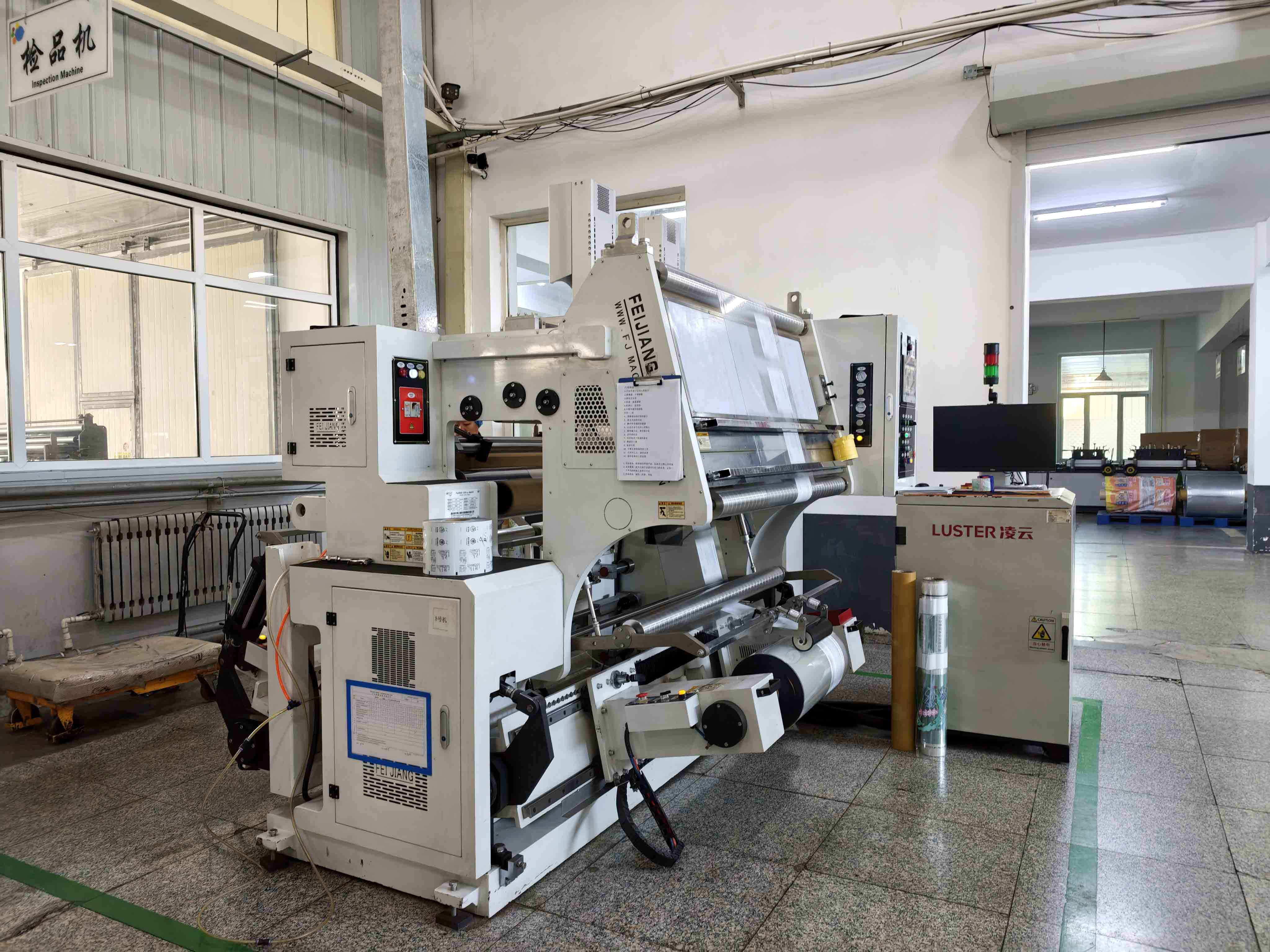
Before a reorder, review any change that could affect the evaluation. A new supplier component, altered filling interval or different customer use pattern may deserve attention even if the front artwork looks unchanged. Keep the latest approved specification and the corresponding instructions together so the next production discussion starts from the correct baseline.
Frequently asked questions
Does a strong smell when I open the bag prove the coffee will taste fresh?
An opening aroma is one observation. For a brand's quality decision, assess the brewed coffee against the defined profile and method as well. Avoid using one brief impression as a substitute for the evaluation intended to support your storage instructions.
Can roast-to-order and retail coffee use the same date policy?
They can share a policy only if it represents the products and distribution being covered. Identify the differences in packing, delivery and expected customer use, then have the responsible team review whether the same evaluation and wording apply.
Further Reading
- National Coffee Association: Storage and shelf life
- Smrke et al. (2022): Effects of different coffee storage methods on coffee freshness after opening of packages
- Kim et al. (2025): Storage temperature effect on shelf life characteristics of roasted coffee beans packaged in metalized bag with a pressure releasing valve
- Kreuml et al. (2013): Changes in sensory quality characteristics of coffee during storage
- Plitek: Coffee valve operation
Set the storage goal for your next coffee bag
Tell us your coffee form, net weight, roast-to-pack arrangement, unopened storage objective, distribution conditions and intended opening routine. Add a bag reference, quantities per design and destination. We can discuss the material, valve, closure and sample scope around that brief. Free design includes unlimited revisions and free layered production files after approval. Send your packaging requirements to start with the choices that matter for your coffee.