
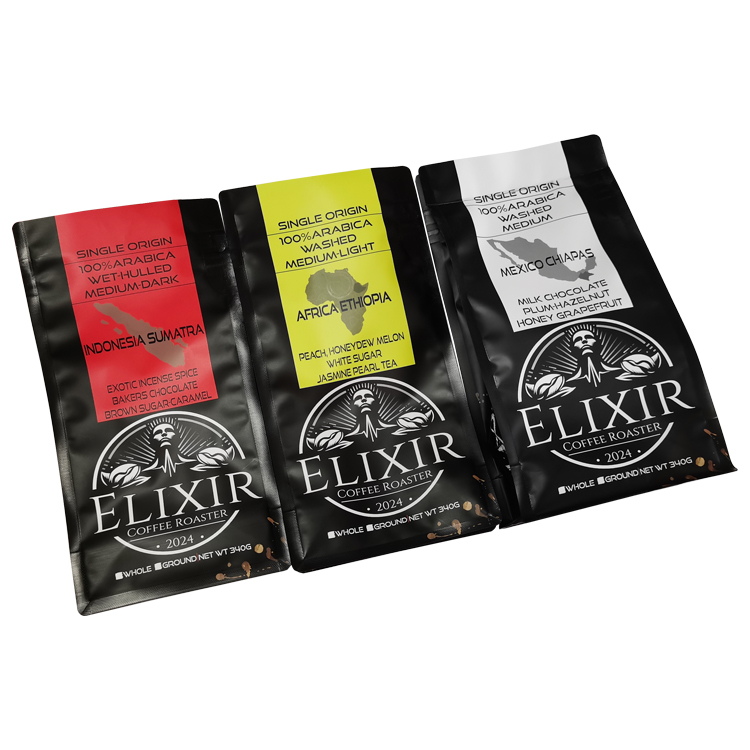
Start by sending the same short brief to the suppliers you want to compare. Ask what each proposed bag includes, what the sample can demonstrate, and which preparation and delivery stages the quotation covers. This makes the choice more useful than comparing two product photographs or the lowest displayed price.
We make custom coffee packaging for roasters and brands. This guide helps you decide where to source it and what to ask before placing an order. It concerns empty bags for roasted whole beans and ground coffee, rather than filled coffee, brewing filters or sacks for transporting green coffee.
Define the purchase before choosing the supplier
Describe the coffee and how you will pack it
Write down whether you sell whole beans or ground coffee, the intended net weight, and whether the package is for retail shelves, direct shipping or larger wholesale deliveries. A 12 oz retail bag and a 1 kg wholesale bag are separate requirements, even when they carry the same brand. Keep the coffee weight distinct from the empty bag dimensions and film thickness.
Explain how you fill and close the bags. Tell the supplier if staff fill by hand, if equipment grips the opening, and which sealing equipment will be used. If you are replacing an existing bag, describe the problem you want to solve: an awkward opening, insufficient sealing space, a design change or a different delivery arrangement. This gives the supplier something concrete to respond to.
Separate requirements from preferences. Your target fill and available machine clearance may be fixed; a matte finish or a particular silhouette may be negotiable. Mark undecided items openly. You can ask for two clearly identified options instead of delaying the first conversation until every material code and closure detail is settled.
Explain the stage of your project
A first launch, a redesign and a straightforward reorder need different support. For a first launch, you may need help choosing a size and developing artwork. For a replacement bag, you may already have a specification but need a compatible sample. For a reorder, the key question may be whether the same construction and artwork revision remain available.
Give a delivery objective and distinguish it from your roast date or launch announcement. If bags must reach a contract packer before a filling slot, state that receiving deadline. If the date is flexible, say which decisions matter more. A supplier can then discuss the actual sequence rather than treating every enquiry as an urgent purchase of an existing item.
Compare purchasing routes against the work you need done
Stock and custom describe how the bag is supplied; distributor and manufacturer describe parts of the supply arrangement. These categories can overlap. A manufacturer may offer stock bags, and a distributor may organize custom printing. Ask who is responsible for the finished specification, sample, artwork, production communication and any delivery issue.
| Purchasing route | Useful when | Confirm before relying on it |
|---|---|---|
| Stock-bag catalog or packaging distributor | An existing size and finish fit your trial or replenishment needs | Exact item, material, closure, availability, pack quantity and sample access |
| Custom packaging manufacturer | You want to develop dimensions, printing and features as one package | Proposed construction, quantity per design, sample scope and production responsibilities |
| Supplier coordinating several production services | You need one contact across design, manufacture and delivery | Who approves substitutions, resolves sample issues and maintains the final specification |
| Online marketplace or general packaging storefront | You are gathering possible products or initial contacts | The identity of the seller, item-specific specifications and the actual order terms |
Use stock bags for a defined job
An existing bag can be a practical starting point if its dimensions, materials and features fit your coffee. A label can carry changing coffee information while you decide on a printed range. Check the label area on the formed bag, including any folds, valve or curved surfaces that could affect placement. Work out who will apply the labels and how that fits your packing routine.
Do not treat a stock listing as a reservation of inventory. Ask about the exact size and color you intend to order, the quantity available for your timing, and the arrangement for subsequent purchases. An attractive catalog photograph does not tell you whether a particular item is ready for your required date. Our stock coffee bags are supplementary options to discuss when an existing configuration suits the project.
Choose custom support when the configuration matters
A custom project is useful when you want the artwork, panel proportions, opening and material choice to work together. Ask the supplier to recommend a configuration around your fill, presentation and packing process. Our coffee packaging options cover flat bottom bags, stand-up pouches and side gusset bags; choose among them before fixing a design to the wrong drawing.
The useful comparison is the work each supplier will complete for your order. Find out whether design development, sample coordination, technical questions and shipping are handled by the same contact or different teams. Clear responsibilities matter particularly when a sample needs changing: you should know who receives the observations and who returns the revised specification.
Test the route against a real purchasing situation
Consider a new roaster preparing a permanent blend and a changing single-origin range. If the coffee-specific information changes frequently, an existing bag with a consistent label area might be worth comparing with several printed versions. Ask how much work each route leaves at the roastery: receiving labels, matching them to coffees, applying them and checking that the right version reaches the filling station. Those tasks belong in the decision even when they do not appear on the bag supplier's invoice.
Now consider an established brand replacing an existing bag before a scheduled retail delivery. It may already know the format and artwork but need a particular opening or material combination. In that situation, focus the shortlist on suppliers able to work through the specified construction and the required approval sequence. A broadly similar stock item is only an alternative if the brand accepts its differences and can check the fit in time.
These are illustrative purchasing situations, not claims that one route always costs less or ships faster. Use your actual order pattern to test the proposal. Ask a supplier to explain how it would handle the parts of your project that remain unresolved, rather than asking only whether it sells coffee bags.
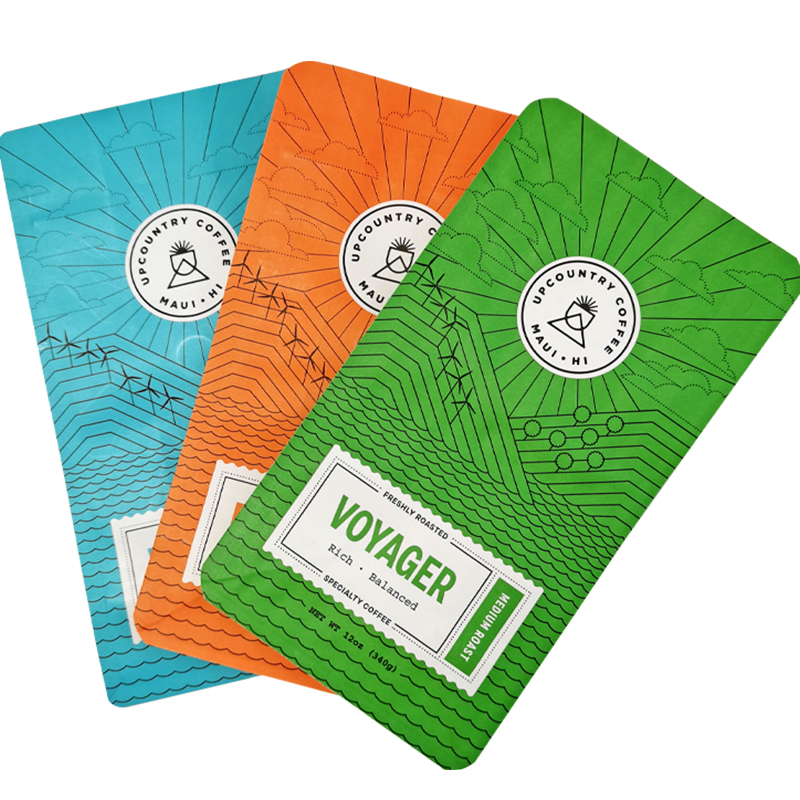
Give every shortlisted supplier the same bag brief
Compare complete configurations
Two bags described as “12 oz, matte, with valve” can differ in dimensions, material layers, zipper arrangement and printing. Ask for the proposed structure in writing, along with dimensions and a drawing that defines the measurement points. State whether a feature is required or offered as an alternative. Keep separate options on separate lines instead of allowing one quote to silently replace another.
These three projects show the level of detail that makes a useful sourcing discussion. They are examples of bags we have made, not interchangeable sizes or a recommendation that every roaster needs one of these exact constructions.
| Our finished project | Dimensions as specified | Material and printing | Features |
|---|---|---|---|
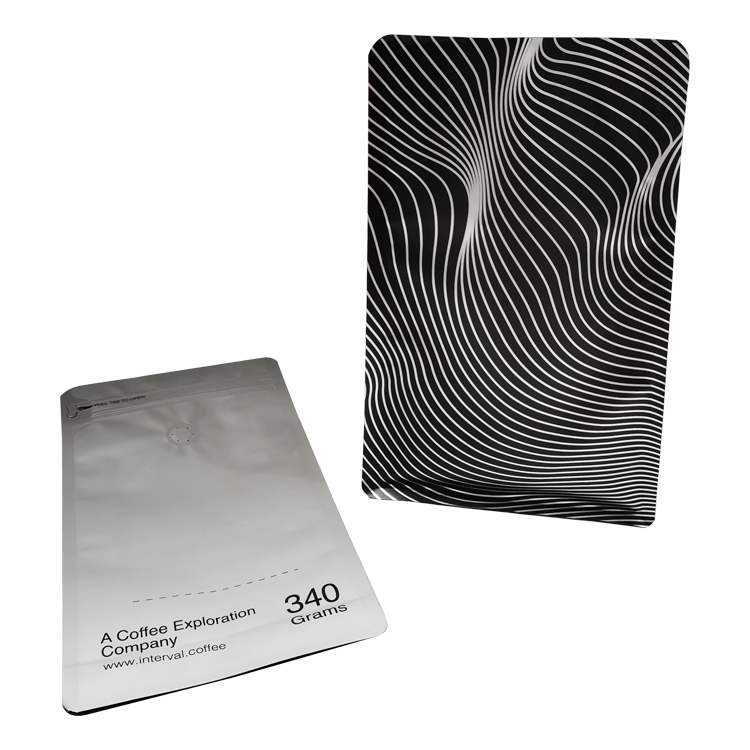
| 12 oz mono-PP flat bottom bag | 12.5 × 24 + 7.5 cm | MOPP / VMOPP / CPP; digital printing | Degassing valve and zipper |
| 12 oz pull-tab flat bottom bag | 15 × 26 + 6 cm | MATOPP / VMPET / PE; digital printing | Degassing valve and pull-tab zipper |
| 1 kg MDOPE/PE side gusset bag | 14 × 40 + 7.5 cm | MDOPE / PE; gravure printing | PE degassing valve |
The two 12 oz projects have different dimensions and opening arrangements. If one looks suitable, explain which elements you want to retain and which you would change. Confirm the meaning of the gusset notation on the proposed drawing rather than assuming every supplier measures it the same way. Use our coffee bag measurement guide when preparing an existing-bag reference.
For the 1 kg side gusset project, the specified material and PE valve belong together in the comparison. If a disposal objective matters to your brand, discuss the complete construction and the collection route customers can use. A material-family description alone does not settle the disposal instructions.
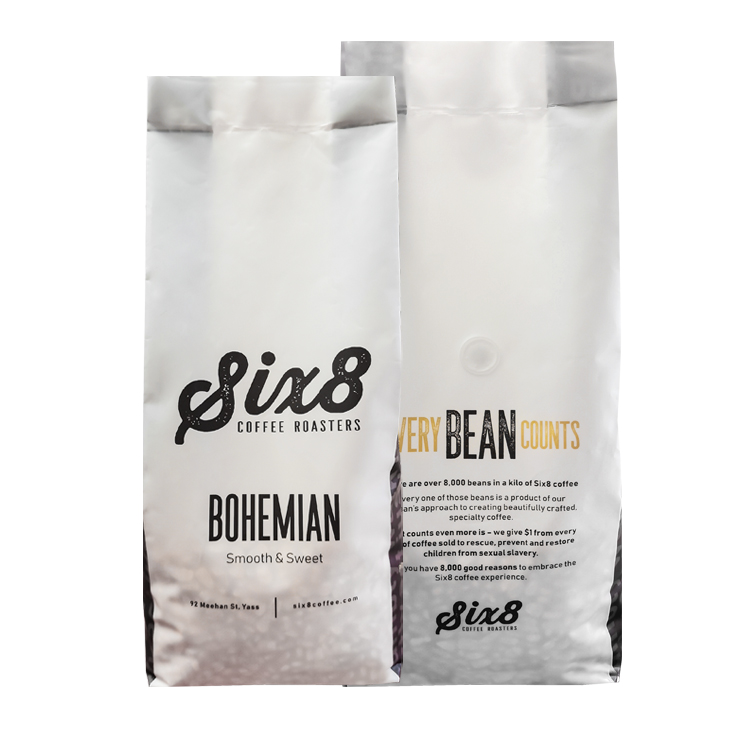
List quantities by printed version
Give the supplier one line for each artwork version, including coffee name, fill weight and expected quantity. A total order quantity can hide very different production needs. A hypothetical order split across a permanent blend and several seasonal coffees should identify those allocations, even if the bag construction is shared. State which quantities are estimates and which are confirmed.
Also describe what may change on the next order. A shared printed bag with a changing label creates a different purchasing arrangement from fully printed coffee-specific designs. Ask how a revised coffee name, a new weight or a new material would affect the next quotation. The detailed process comparison belongs in our digital versus gravure guide; here, the aim is to give each supplier the same order pattern.
Agree how changes will be handled
Ask the supplier to identify any proposed change to the quoted material, dimensions, closure or printing before production proceeds. Sometimes a suggestion is helpful, such as a different opening arrangement that fits your packing process better. Treat it as a new choice to review, with its own drawing or sample where needed. Keeping the explanation attached to the proposal prevents a useful suggestion from becoming an unnoticed substitution.
For a reorder, identify which parts should repeat and which are new. Keep the bag reference separate from the artwork revision: the same artwork can be applied to a changed structure, and an unchanged structure can carry revised text. Request a confirmation that addresses both. If a previous approval sample is retained, label it so the team does not compare a new delivery with an obsolete version.
Also ask who will respond if the delivered goods differ from the agreed order. Establish the contact, the information they need and the review process. A named person and an agreed way to report a difference are more useful than relying on a broad assurance that every problem will be solved immediately.
Ask for samples that answer the right question
Name the decision the sample should support
A material reference, an existing size sample and a custom printed sample do different jobs. A sample can help you feel a finish without matching your dimensions. Another can let you trial-fill your coffee while carrying unrelated artwork. Ask which aspects match the proposal and which differ before treating the sample as approval of the entire order.
For a size decision, fill the sample with your own coffee and check the working space around the opening, valve, closure and final seal. For an opening decision, let the person who will pack or use the bag handle it. For printed appearance, agree the relevant material, finish and color reference. Keep the observations with the sample identifier so your supplier can act on a specific result.
Our sample-testing guide explains the full trial. For sourcing, the additional question is who will supply the next sample if something changes. Decide whether an adjustment needs another physical sample, a revised drawing or an artwork proof. Do not approve a changed construction solely because an earlier, different sample was comfortable to handle.
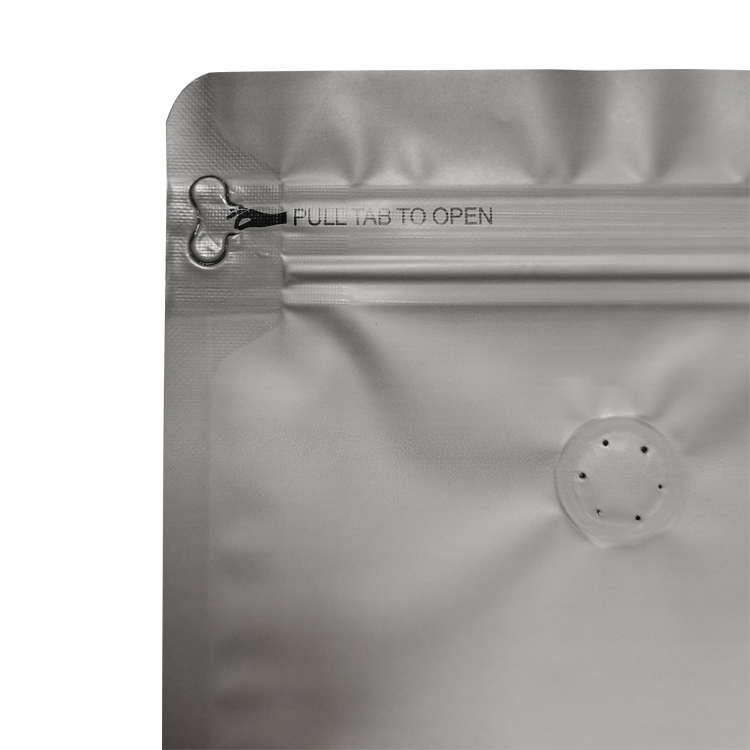
Separate sample charges and shipping
With us, samples of similar materials are free, and custom sample fees are refunded when you place an order. Sample shipping is discussed for the destination. Confirm the proposed sample, what it will demonstrate, any preparation charge and the shipping arrangement before requesting dispatch. These conditions do not mean every possible custom sample or every shipment is free.
Ask other suppliers to explain their own terms just as clearly. Record whether a charge concerns a physical sample, printing preparation, courier delivery or another service. If a refund or credit is offered, write down the condition and how it will appear on the order. That prevents a sample decision from becoming a disagreement over an assumption later.
Review relevant documents alongside the proposed bag
Ask for food-contact information that applies to the proposed packaging and intended use. Describe the food, filling and storage conditions, and the US destination market. The FDA explains that food-contact authorizations have defined specifications and limitations; a food-contact notification is specific to the identified manufacturer or supplier and intended use. A general statement about a supplier is therefore less useful than information connected to the construction being offered.
We can provide applicable food-contact and factory documentation on request. Explain what your business needs to review so the documents can be matched to the proposed bag. Keep food-contact suitability, environmental claims and coffee shelf-life evaluation as separate questions. One document should not be used to answer an unrelated requirement.
If you plan environmental wording, ask which complete bag and disposal conditions the supporting information covers. The FTC advises substantiating environmental claims and making necessary qualifications clear. Review the intended wording before it becomes permanent artwork. Our recyclable versus compostable guide covers that choice in detail, allowing this sourcing review to stay focused on the questions you need the supplier to answer.
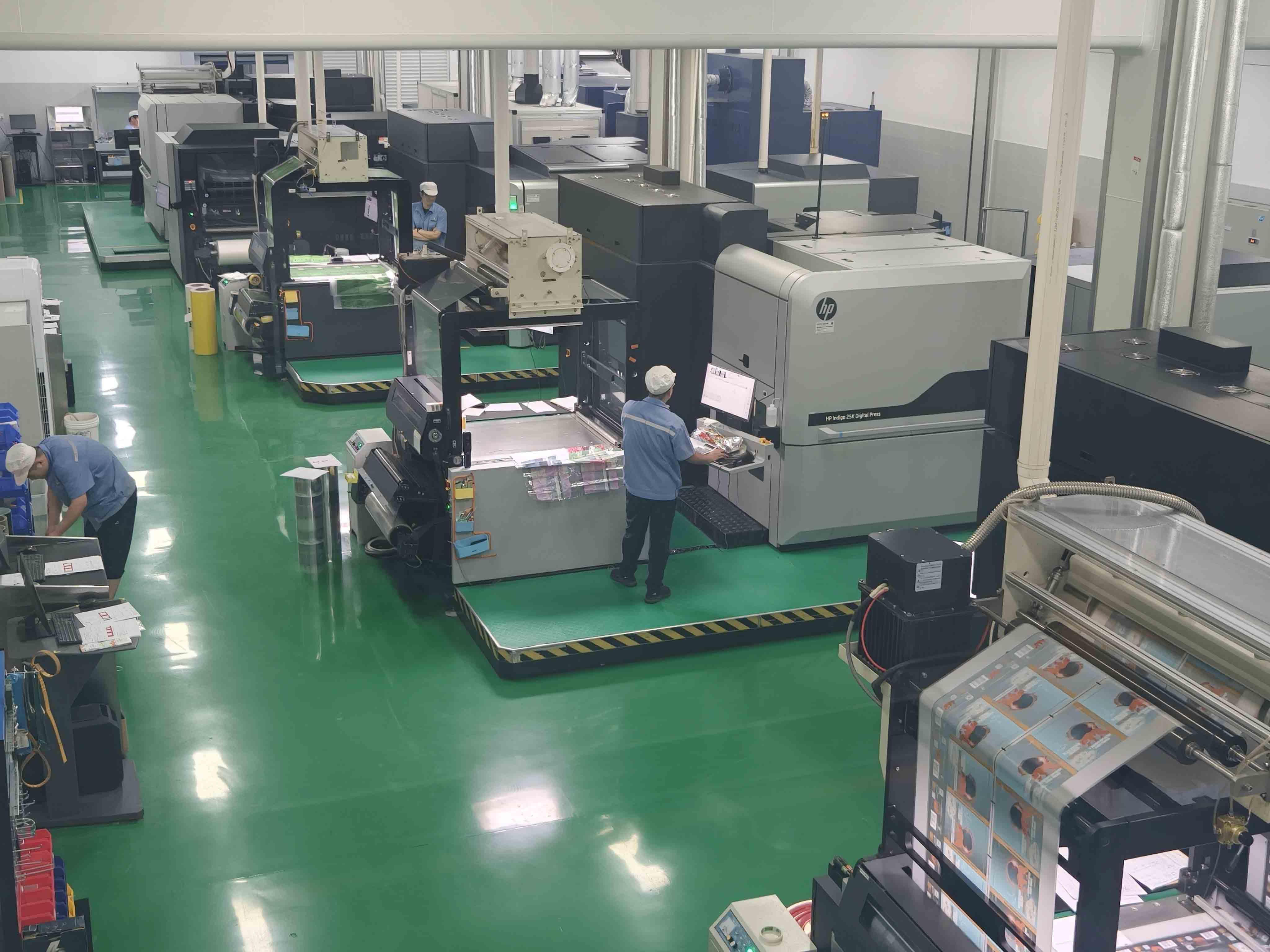
For any requested barrier or seal test, agree the construction, test method, units, conditions and acceptance criteria. A photograph of equipment can introduce a production process, but a result for your proposed package needs the relevant report. Decide whether the requirement concerns a material sample or a finished bag, then include that distinction in the quotation and sample plan.
Start the design discussion before your artwork is finished
You can approach us with a logo, a current label, a reference bag or a description of the look you want. Tell us which brand elements must stay and which may change. Supply the coffee wording you want to print, identify each version, and name the person who will consolidate feedback. This gives the design discussion a usable starting point without requiring a completed production file.
We offer free design with unlimited revisions and provide layered production files free after design approval. That service concerns the artwork; physical samples and other quoted production items retain their own terms. See free design and artwork preparation for the service, and the existing unfinished-artwork guide for the detailed design workflow.
When comparing suppliers, ask who prepares the bag drawing, who adapts the artwork and what files you receive. Confirm the reference used for color and finish if appearance is critical. A layout proof, a physical print reference and a filled bag answer different questions. Record which approval is being requested so approval of panel placement does not accidentally become approval of an unreviewed material substitution.
Compare quotations and delivery as one purchasing decision
Identify the specification behind each price
Ask each supplier to identify the bag, quantity per design, preparation items, sample terms and delivery scope behind the quote. Keep currency and the quote's validity clear. If a supplier suggests an alternative, request it as an identified option. A lower quoted amount is meaningful only when you understand which requirement or service changed.
For example, imagine comparing a stock bag with an applied label against a custom printed bag. Include label purchasing, application work and the handling that your own team must complete. With two custom proposals, compare the same material, features and printed-version quantities. Our coffee bag cost guide explains the individual cost factors; use those details to resolve differences instead of assuming the cheapest line describes the same purchase.
Work backward from the date you need empty bags
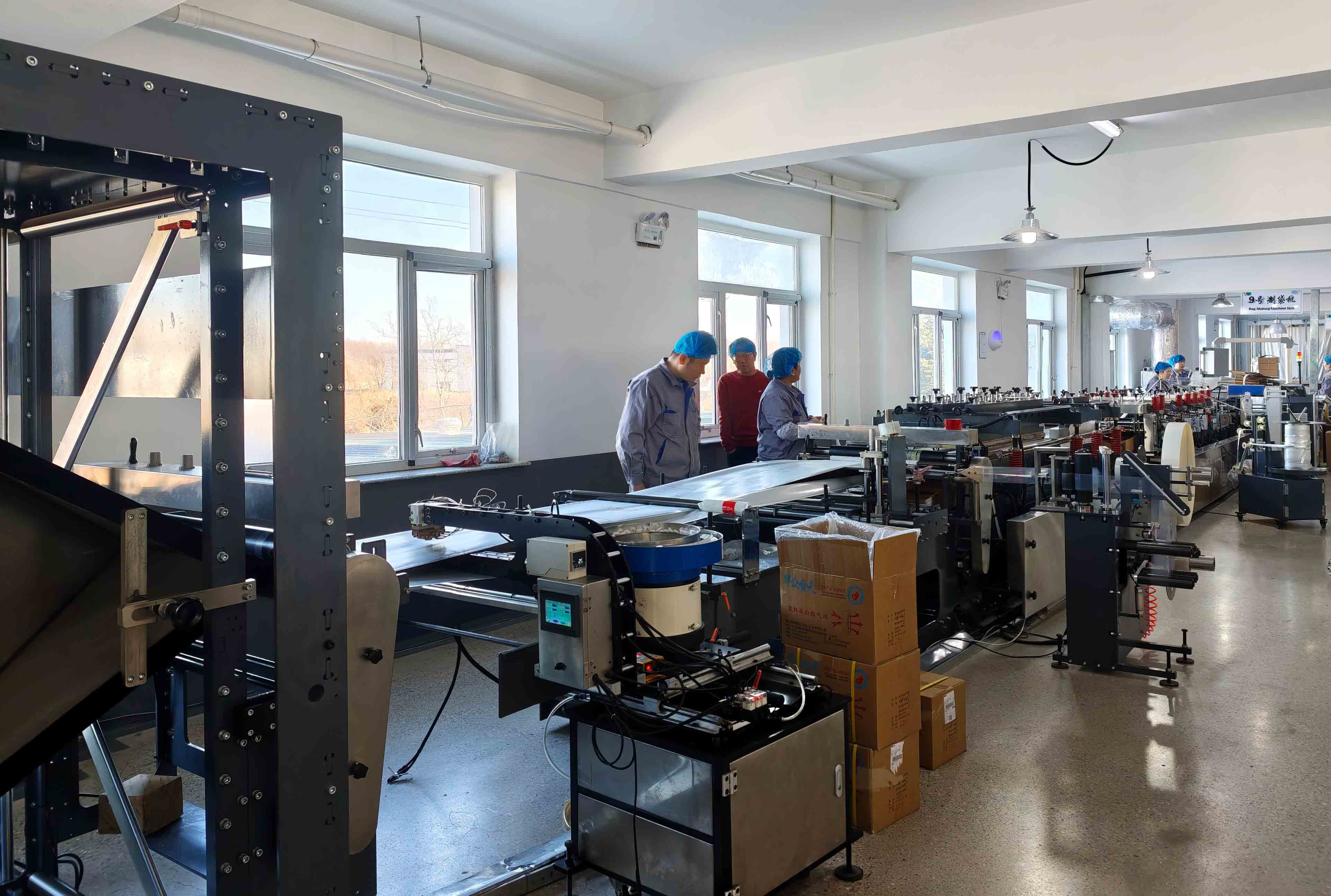
Our production time is 7–12 days, and shipping is a separate 7–10-day stage. Design development, sample discussions, approval and order preparation must be placed in the project schedule as well. Confirm the start point and sequence for your actual order. These two durations should not be treated as a guaranteed interval from the first email to delivery.
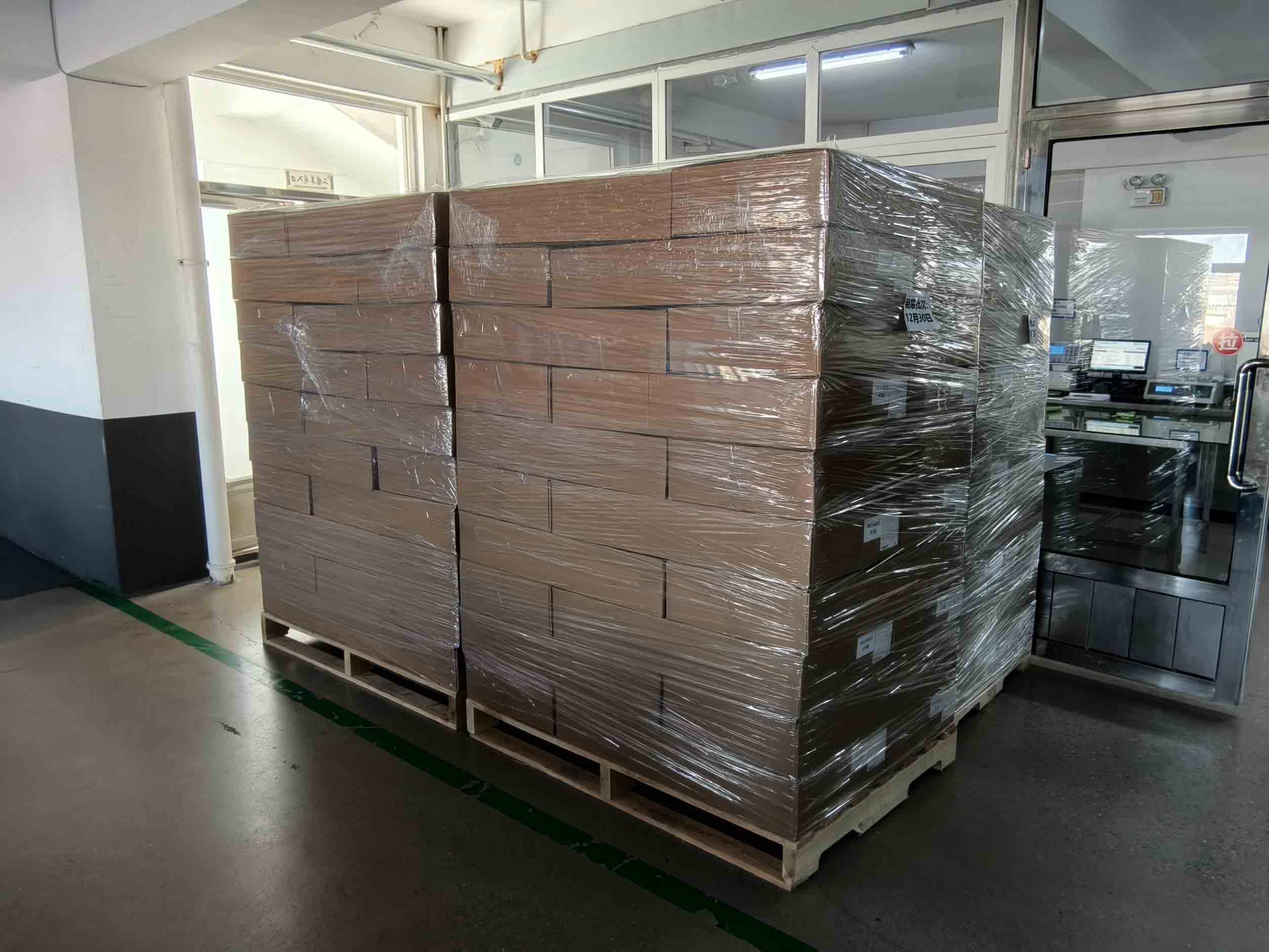
We can discuss door-to-door delivery with taxes included, subject to the destination and quotation. Provide the receiving location and any requirements such as delivery appointments, carton identification or a contract packer's instructions. Ask which costs and responsibilities are included and which need separate confirmation. Compare the same receiving scope across suppliers.
Keep a replenishment plan alongside a launch plan. Describe expected usage, how much storage space you have for empty bags, and which designs may become obsolete. Discuss a practical next-order review date rather than assuming that the initial order quantity or production arrangement will remain suitable indefinitely. Changes to coffee weights, materials or designs need to reach the supplier before the next order is confirmed.
Make the contingency explicit
If your current bag supply is running low, distinguish the long-term custom project from the immediate continuity problem. Ask whether an available stock option could be reviewed for temporary use, or whether the timing requires a different launch arrangement. Check that option with your coffee, equipment and labels before relying on it. A temporary bag still needs a usable specification; urgency does not make two different openings or sizes equivalent.
Tell the supplier which receiving date is essential and which part of the order is most urgent. You can discuss whether staged deliveries are practical, what each stage would cost and whether the arrangement actually fits production. Do not assume split delivery is included in a quotation for one shipment. Keep the agreement visible to the person scheduling the roasting and filling work.
When the date depends on an external step, identify that dependency. It might be a brand owner supplying final text, a packer reviewing the sample or a warehouse confirming a receiving appointment. Put the responsible contact and next action beside that step. This makes the schedule a working plan instead of a single promised arrival date that ignores the decisions still to be made.
Use one comparison record to make the decision
Keep a short record for each proposal, linked to its quotation, drawing, sample and artwork revision. Write an observation or an agreed answer, rather than a general score such as “good quality.” If one proposal still has an unresolved question, name the question and the next action. This makes a follow-up conversation more productive than asking every supplier to send another generic catalog.
| Comparison item | Record for each supplier | Decision it supports |
|---|---|---|
| Coffee and bag | Coffee form, weight, format, dimensions and drawing revision | Whether the proposed package fits your product and packing process |
| Material and features | Complete structure, thickness where specified, valve and opening | Whether the quotations describe comparable configurations |
| Order pattern | Quantity per printed design and likely future changes | Whether the purchasing arrangement fits the coffee range |
| Sample | Identifier, matching features, differences and agreed next step | Whether remaining questions need another sample or proof |
| Design responsibility | Who prepares, checks and approves files; what is supplied afterward | Whether you have the support required to finish the artwork |
| Documents | Relevant food-contact, claim or test information requested | Whether specific requirements have been addressed |
| Commercial scope | Included charges, sample terms, currency and delivery responsibilities | Whether the quotations cover the same purchase |
| Schedule and follow-up | Preparation, production, shipping, receiving date and responsible contact | Whether the order can be planned and maintained |
Then make the next decision explicit. You might request a different sample, settle the material choice or approve a specific drawing. If a supplier cannot answer a question yet, decide whether it is essential before selection or can be resolved during development. Avoid mixing an attractive first concept with approval of an order whose specification is still changing.
Before placing the order, gather the agreed specification and the current artwork versions in one place. Confirm the quantities and the receiving arrangement, and retain the sample reference used for approval. On arrival, compare the delivery with those agreed records. This gives future reorders a concrete baseline without requiring you to reconstruct the original decision from separate emails.
Plan the receiving check before the cartons arrive
Decide who will receive the delivery and who will check the bags before they reach the filling station. Match carton identification and printed versions to the order, then review representative bags against the agreed specification and approval reference. Check the features that matter to your work, including opening access, printed coffee identification and the fit on your equipment. Keep these checks separate from any laboratory or shelf-life evaluation the project requires.
If you find a difference, retain the affected examples and their carton or lot identification. Send the supplier specific photographs and a description of the difference, together with the relevant drawing or approved sample reference. Agree how the affected bags will be handled while the issue is reviewed. This is easier to resolve than a message saying only that the shipment looks wrong.
Finally, note what the first order taught you about the purchasing route. Did your team have the information needed for receiving and packing? Were design changes communicated clearly? Was the next-order contact easy to identify? Use those operational observations when planning replenishment. They help you decide whether to repeat the arrangement, adjust one service or compare a different route while keeping the approved bag requirements clear.
Frequently asked questions
Should I request samples from every supplier I contact?
Shortlist suppliers whose proposed specification and service fit your project first. Then request the samples needed to resolve the remaining decisions. This keeps the comparison focused and makes it easier to identify which sample belongs to which proposal.
What should I send when moving an existing bag to a new supplier?
Share the agreed specification, current artwork, useful reference photos and an actual bag if available. Explain what must stay consistent and what may change. Ask the new supplier to identify differences before you approve its proposal, including any different dimension notation or component arrangement.
Further Reading
Discuss your custom coffee bag project
Send us the coffee form and net weight, a bag reference, quantities for each printed design, artwork status, destination and required receiving date. Tell us which decisions you want help with. We can discuss suitable configurations and samples, develop the design, and prepare a quotation around the agreed scope. Our custom ordering process shows the stages, and you can start the conversation here.